- Français
- |
- Booklist
- |
- Week of Prayer
- |
- Links
- Areopagus - a forum for dialogue
- Academic journals
- Acronyms
- Bible tools
- Bibliographies
- Booksellers and publishers
- Churches
- Canadian church headquarters
- Directory of Saskatchewan churches
- Retreat centres
- Saskatchewan church and non-profit agencies
- Ecumenism.net Denominational links
- Anabaptist & Mennonite
- Anglican
- Baptist
- Evangelical
- Independent episcopal
- Lutheran
- Methodist, Wesleyan, and Holiness
- Miscellaneous
- Mormon
- Orthodox (Eastern & Oriental)
- Para-church ministries
- Pentecostal / charismatic
- Presbyterian & Reformed
- Quaker (Society of Friends)
- Roman & Eastern Catholic
- United and uniting
- Documents of Ecumenical Interest
- Ecumenical agencies
- Ecumenical Booklist
- Ecumenical Dialogues
- Glossary
- Human rights
- Inter-religious links
- Justice & peace
- Lectionaries
- Religious news services
- Resource pages
- Search Ecumenism.Net
- |
- Documents
- Ancient & Medieval texts
- Ecumenical Dialogues
- Interreligious
- Anabaptist & Mennonite
- Anglican
- Evangelical
- Lutheran
- Orthodox
- Reformed & Presbyterian
- Roman & Eastern Catholic
- United & Uniting
- Miscellaneous churches
- Canadian Council of Churches (CCC)
- Conference of European Churches (CEC)
- Interchurch Families International Network (IFIN)
- National Council of Churches in Australia (NCCA)
- Lausanne Committee for World Evangelism (LCWE)
- World Council of Churches (WCC)
- Other ecumenical documents
Church traditions
Documents from ecumenical agencies
- |
- Dialogues
- Adventist-Reformed
- African Instituted Churches-Reformed
- Anglican-Lutheran
- Anglican-Orthodox
- Anglican-Reformed
- Anglican-Roman Catholic
- Anglican-United/Uniting
- Baptist-Reformed
- Disciples of Christ-Reformed
- Disciples of Christ-Roman Catholic
- Evangelical-Roman Catholic
- Lutheran-Mennonite
- Lutheran-Mennonite-Roman Catholic
- Lutheran-Reformed
- Lutheran-Roman Catholic
- Mennonite-Reformed
- Mennonite-Roman Catholic
- Methodist-Reformed
- Methodist-Roman Catholic
- Oriental Orthodox-Reformed
- Orthodox-Reformed
- Orthodox-Roman Catholic
- Pentecostal-Reformed
- Prague Consultations
- REC-WARC Consultations
- Roman Catholic-Lutheran-Reformed
- Roman Catholic-Reformed
- Roman Catholic-United Church of Canada
- |
- Quick links
- Canadian Centre for Ecumenism
- Canadian Council of Churches
- Ecumenical Shared Ministries
- Ecumenism in Canada
- Interchurch Families International Network
- International Anglican-Roman Catholic Commission for Unity and Mission
- Kairos: Canadian Ecumenical Justice Initiatives
- North American Academy of Ecumenists
- Prairie Centre for Ecumenism
- Réseau œcuménique justice et paix
- Week of Prayer for Christian Unity
- Women's Interchurch Council of Canada
- World Council of Churches
- |
- Archives
- |
- About us


Archive for category: News
Archive pour catégorie : News
 RSS feed for News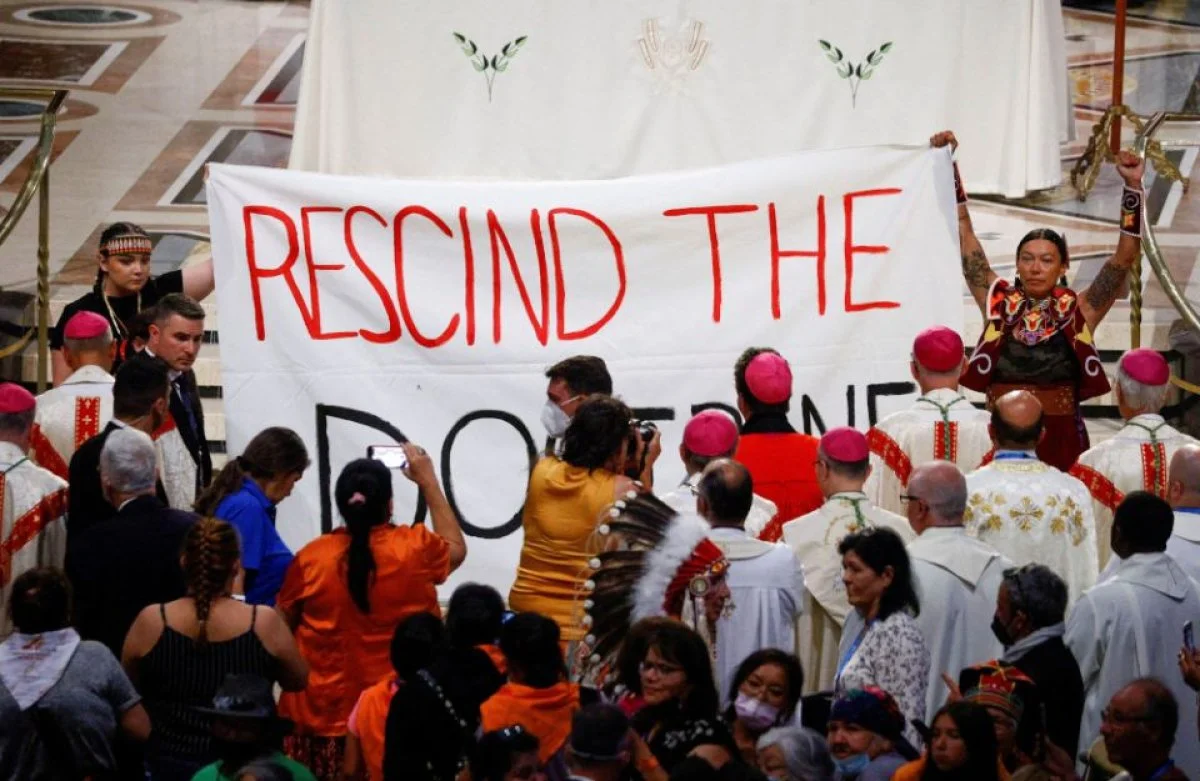
From 26 to 29 May 2026, a Knowledge-Sharing Symposium on the Doctrine of Discovery was held in Edmonton, examining the historical and legal consequences of colonization for Indigenous Peoples, and the Catholic Church’s involvement in that colonization in the 15th and 16th centuries.
The event was hosted by the Canadian Conference of Catholic Bishops (CCCB), with support from the Pontifical Committee for Historical Sciences, and representation from the Vatican’s Dicastery for Promoting Integral Human Development. It was organized by a group of Catholic men and women, Indigenous and Church leaders and scholars.
… Read more » … lire la suite »
 Posted: June 3, 2026 •
  Permanent link: ecumenism.net/?p=14977
Categories: News • In this article: Catholic, Doctrine of Discovery, Indigenous peoples, Reconciliation
Transmis : 3 juin 2026 • Lien permanente : ecumenism.net/?p=14977
Catégorie : News • Dans cet article : Catholic, Doctrine of Discovery, Indigenous peoples, Reconciliation
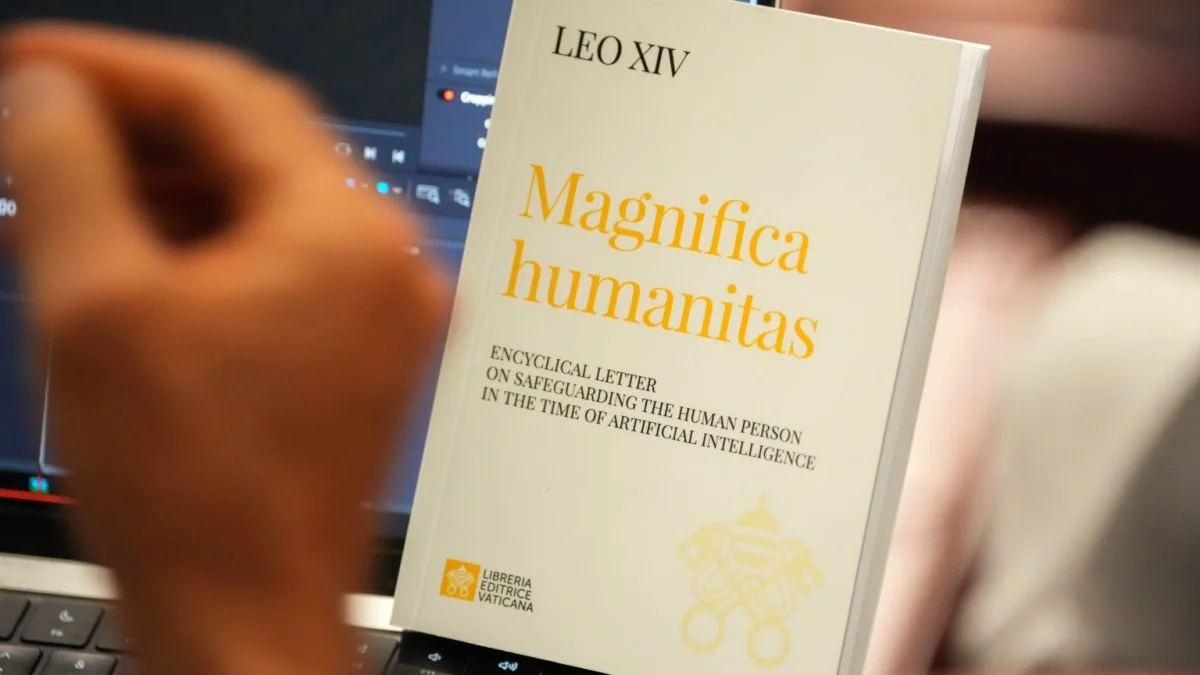
With its 243 paragraphs and more than 200 references, “Magnifica humanitas: On Safeguarding the Human Person in the Time of Artificial Intelligence,” the first encyclical of His Holiness Pope Leo XIV, will undoubtedly stand as a milestone in the development of Roman Catholic social doctrine. In retrospect, one better understands Cardinal Robert Prevost’s choice of the name “Leo” a little over a year ago: it signals a clear intention to situate his pontificate within a tradition of continuity, particularly in the Church’s mission to serve the most vulnerable in society, as did Pope Leo XIII.
… Read more » … lire la suite »
Posted: June 1, 2026 • Permanent link: ecumenism.net/?p=14971
Categories: News, Opinion • In this article: Artificial Intelligence, catholic social teaching, Greek Orthodox, human dignity, Magnifica Humanitas, Pope Leo XIV
Transmis : 1 juin 2026 • Lien permanente : ecumenism.net/?p=14971
Catégorie : News, Opinion • Dans cet article : Artificial Intelligence, catholic social teaching, Greek Orthodox, human dignity, Magnifica Humanitas, Pope Leo XIV
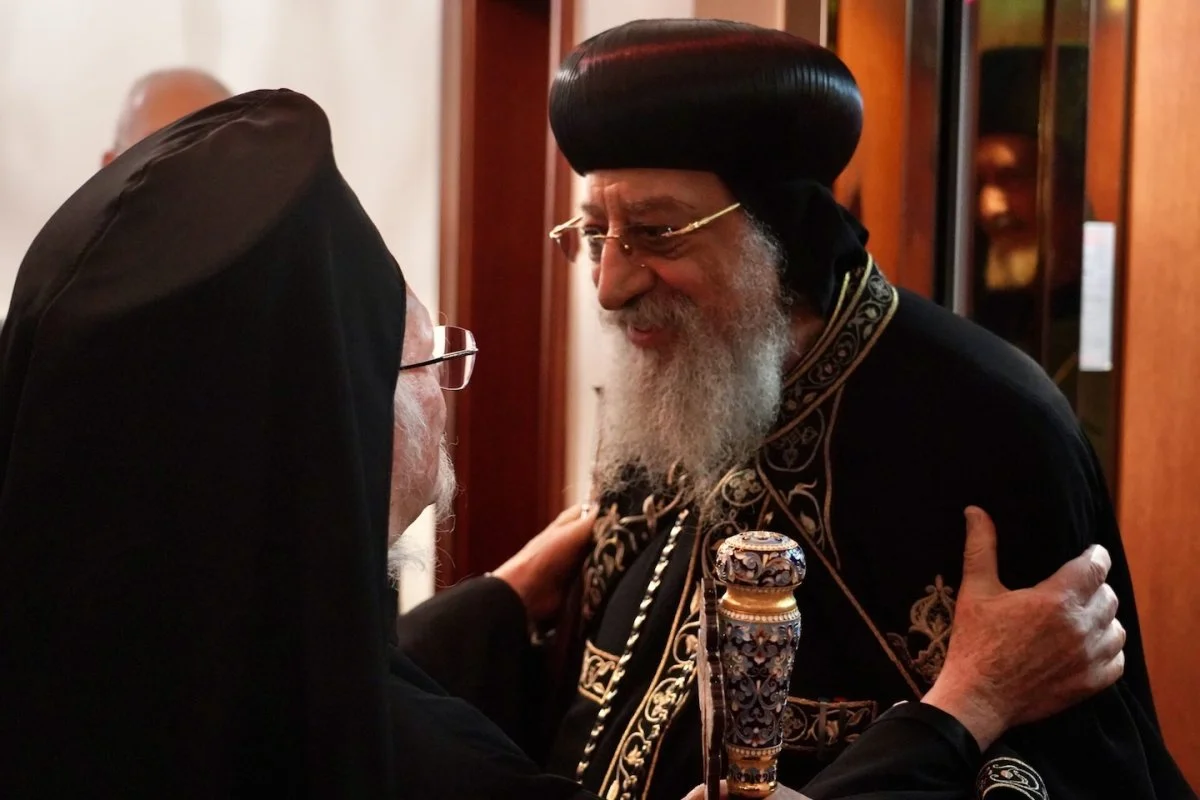
Eastern Orthodox and Oriental Orthodox leaders took a major step towards healing a 1,600‑year division when Ecumenical Patriarch Bartholomew welcomed Pope Tawadros II of the Coptic Orthodox Church to the Phanar for a celebration of the Divine Liturgy on the Sunday of the Myrrh-Bearing Women at the Patriarchal Church of Saint George. Both hierarchs called for renewed commitment to unity between their traditions.
In his official address at the conclusion of the Divine Liturgy, His All-Holiness spoke about the relationship between the Eastern Orthodox and Oriental Orthodox Churches, saying that “the relationship between the Eastern Orthodox and the Oriental Orthodox Churches occupies a unique and privileged place within the broader ecumenical endeavour.” He detailed a path to the restoration of unity between the two Churches, and emphasized that “we have been called to move from agreement to reception, from dialogue to life, from theological convergence to sacramental and pastoral cooperation.”
… Read more » … lire la suite »
Posted: May 26, 2026 • Permanent link: ecumenism.net/?p=14954
Categories: News • In this article: Bartholomew I, Christology, dialogue, Eastern Orthodox, Ecumenical Patriarch of Constantinople, Oriental Orthodox, Tawadros II
Transmis : 26 mai 2026 • Lien permanente : ecumenism.net/?p=14954
Catégorie : News • Dans cet article : Bartholomew I, Christology, dialogue, Eastern Orthodox, Ecumenical Patriarch of Constantinople, Oriental Orthodox, Tawadros II
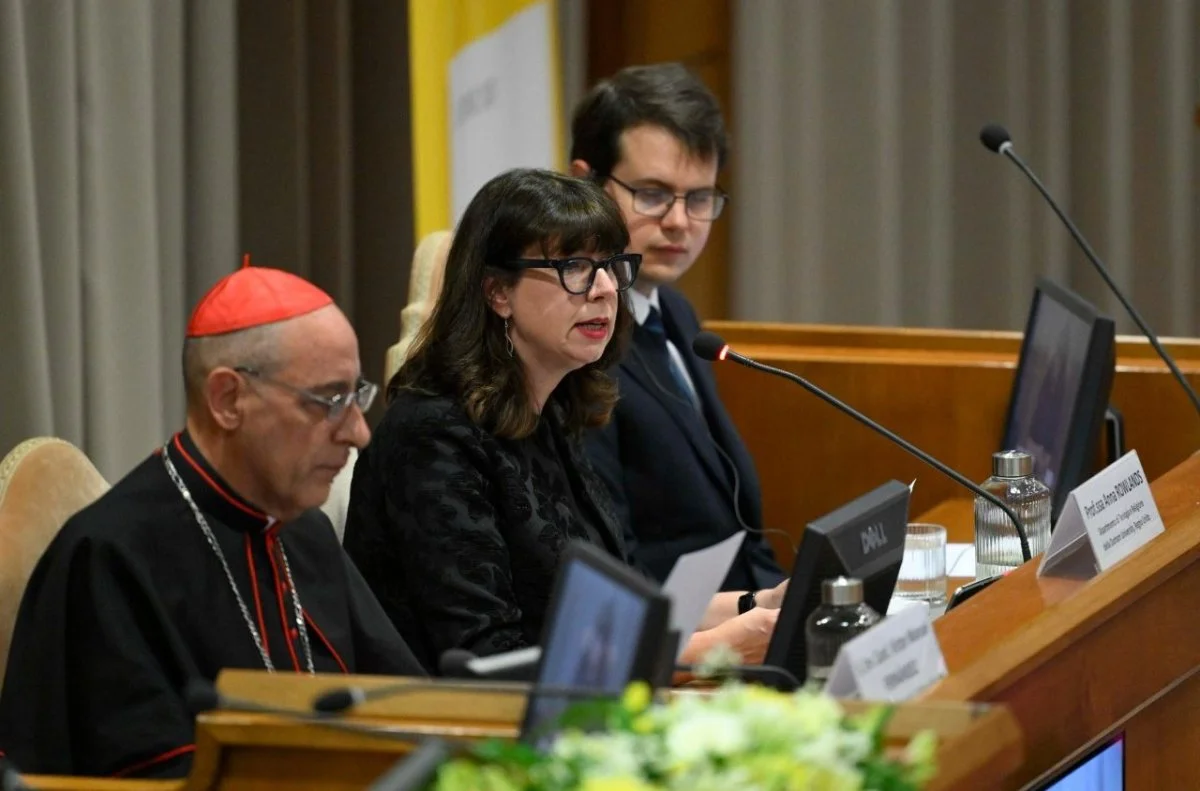
As Pope Leo XIV’s encyclical ‘Magnifica humanitas’ is unveiled, Professor Anna Rowlands, theologian at Durham University, tells Vatican News that such a powerful message—addressing both the benefits and dangers of our AI era—will leave an enduring mark on the Church and the world.
“There is not a tomorrow to begin thinking about these issues.”
Professor Anna Rowlands, theologian at Durham University in the United Kingdom, stressed this point in an interview with Vatican News following the release of Pope Leo XIV’s first encyclical, Magnifica humanitas: On Safeguarding the Human Person in the Time of Artificial Intelligence, presented at the Vatican on May 25.
… Read more » … lire la suite »
Posted: May 25, 2026 • Permanent link: ecumenism.net/?p=14969
Categories: Vatican News • In this article: Anna Rowlands, Artificial Intelligence, catholic social teaching, human dignity, Magnifica Humanitas, Pope Leo XIV
Transmis : 25 mai 2026 • Lien permanente : ecumenism.net/?p=14969
Catégorie : Vatican News • Dans cet article : Anna Rowlands, Artificial Intelligence, catholic social teaching, human dignity, Magnifica Humanitas, Pope Leo XIV
Pope Leo XIV published his landmark encyclical on artificial intelligence, “Magnifica Humanitas”, on May 25, comparing the attempt to build an AI future that excludes God to the “Tower of Babel” and underlining the need to safeguard human dignity as it is “threatened by new forms of dehumanization.”
“The risk of dehumanization — of building a future that excludes God and reduces the other to a means — is an ancient and ever-new temptation that today takes on a technical guise,” Pope Leo wrote in his first encyclical, “Magnifica Humanitas: On Safeguarding the Human Person in the Time of Artificial Intelligence.”
… Read more » … lire la suite »
Posted: May 25, 2026 • Permanent link: ecumenism.net/?p=14956
Categories: OSV News • In this article: Artificial Intelligence, catholic social teaching, human dignity, Magnifica Humanitas, Pope Leo XIV
Transmis : 25 mai 2026 • Lien permanente : ecumenism.net/?p=14956
Catégorie : OSV News • Dans cet article : Artificial Intelligence, catholic social teaching, human dignity, Magnifica Humanitas, Pope Leo XIV
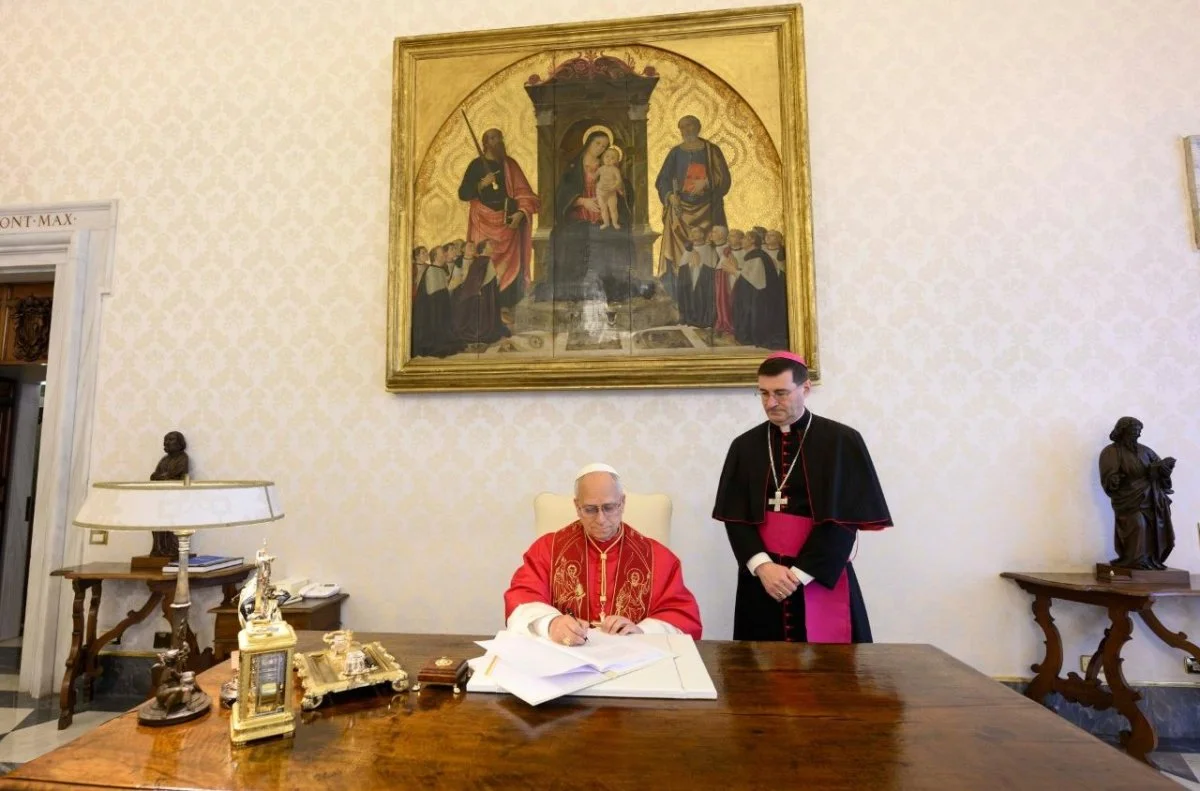
“Humanity, created by God in all its grandeur, is today facing a pivotal choice: either to construct a new Tower of Babel or to build the city in which God and humanity dwell together.”
The opening words of Pope Leo XIV’s first encyclical, Magnifica humanitas: On Safeguarding the Human Person in the Time of Artificial Intelligence, summarize its underlying reasons and purpose.
Published on Monday, May 25, the Pope signed the encyclical on May 15, the 135th anniversary of the promulgation of Pope Leo XIII’s Rerum novarum.
… Read more » … lire la suite »
Posted: May 25, 2026 • Permanent link: ecumenism.net/?p=14965
Categories: Vatican News • In this article: Artificial Intelligence, catholic social teaching, human dignity, Magnifica Humanitas, Pope Leo XIV
Transmis : 25 mai 2026 • Lien permanente : ecumenism.net/?p=14965
Catégorie : Vatican News • Dans cet article : Artificial Intelligence, catholic social teaching, human dignity, Magnifica Humanitas, Pope Leo XIV
The Consultation on Common Texts supports an ecumenical Festival of Creation and makes editorial changes in the alternative texts for Holy Week, Easter Season, and early Pentecost.
The Consultation on Common Texts (CCT) held its annual meeting in Decatur, Georgia on April 20 to 21, 2026. The Cooperative Baptist Fellowship hosted the meeting at its headquarters, with the fellowship’s Executive Coordinator Paul Baxley extending a welcome in person to attending CCT members.
… Read more » … lire la suite »
Posted: May 15, 2026 • Permanent link: ecumenism.net/?p=14952
Categories: News • In this article: creation, liturgy, Revised Common Lectionary
Transmis : 15 mai 2026 • Lien permanente : ecumenism.net/?p=14952
Catégorie : News • Dans cet article : creation, liturgy, Revised Common Lectionary
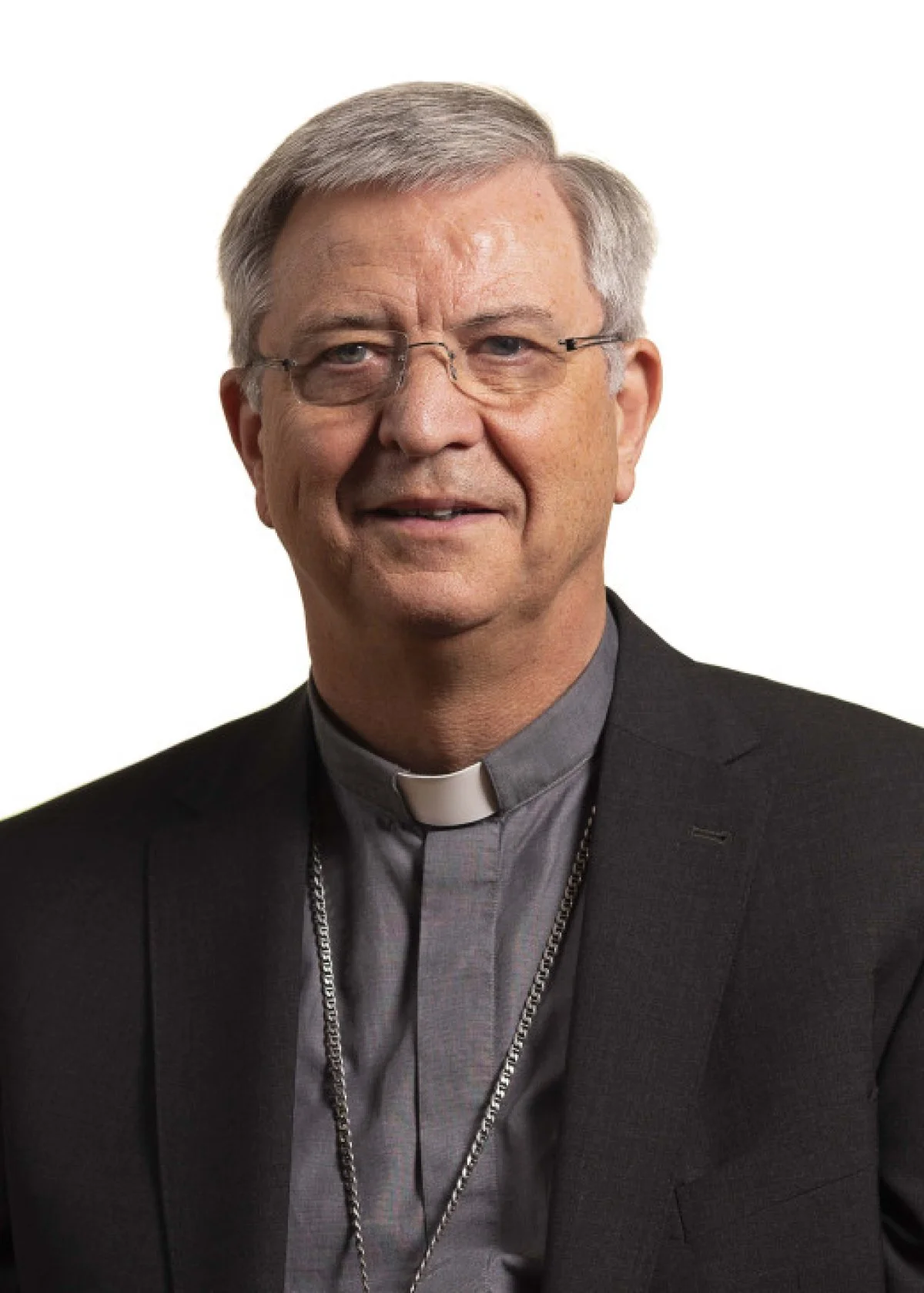
Bishop Johan Bonny of Antwerp has challenged Rome to push forward with synodal reforms by announcing changes including the ordination of married men in his diocese by 2028.
Carefully quoting guidelines for the Synod on Synodality’s implementation phase (2025-2028), his 11-page pastoral letter proposed the viri probati reform alongside the naming of woman pastors, a new understanding of parishes, welcoming new Catholics and updating the Church’s message.
… Read more » … lire la suite »
Posted: Mar. 21, 2026 • Permanent link: ecumenism.net/?p=14939
Categories: Tablet • In this article: Belgium, Catholic, married clergy, ordination, synodality
Transmis : 21 mars 2026 • Lien permanente : ecumenism.net/?p=14939
Catégorie : Tablet • Dans cet article : Belgium, Catholic, married clergy, ordination, synodality

The Vatican’s International Theological Commission has warned that if humanity places total trust in technology in a “world ruled by machines,” it risks replacing the “living God” with a counterfeit “virtual God.”
The assessment came in a sweeping new document, published on March 4, examining how artificial intelligence, transhumanism and other technological developments can pose profound risks to human identity and dignity. The document seeks to propose a response rooted in Christian anthropology and the Gospel.
The 48-page document, titled “Quo vadis, humanitas? Thinking about Christian anthropology in light of some scenarios for the future of humanity,” was published in Italian and Spanish after being approved by Pope Leo XIV. Its Latin title — meaning “Where are you going, humanity?” — echoes the question tradition holds was put to St. Peter before his crucifixion in Rome.
… Read more » … lire la suite »
Posted: Mar. 5, 2026 • Permanent link: ecumenism.net/?p=14934
Categories: OSV News • In this article: ethics, humanity, International Theological Commission, theological anthropology
Transmis : 5 mars 2026 • Lien permanente : ecumenism.net/?p=14934
Catégorie : OSV News • Dans cet article : ethics, humanity, International Theological Commission, theological anthropology
God calls every baptized person to proclaim the Good News, entrusting this missionary mandate to all. Within our missionary Church, charisms have historically developed to live out this mission in response to the needs of different times and cultures. In the present historical moment, the Final Document of the XVI Ordinary General Assembly of the Synod of Bishops (FD), now part of the Ordinary Magisterium of the Pope, has recognized the digital environment as a culture, with its own dynamics, languages, and modes of interaction. In this perspective, the Synod affirms that “digital culture constitutes a crucial dimension of the Church’s witness in contemporary culture and an emerging missionary field” (FD, no. 149).
We all, as the baptized, are called to bring the Good News to people we meet in this environment through missionary approaches that respond to its specific characteristics, engaging its opportunities while facing its challenges and risks directly.
… Read more » … lire la suite »
Posted: Mar. 3, 2026 • Permanent link: ecumenism.net/?p=14864
Categories: Documents, News • In this article: digital environment, General Secretariat for the Synod, mission, Vatican
Transmis : 3 mars 2026 • Lien permanente : ecumenism.net/?p=14864
Catégorie : Documents, News • Dans cet article : digital environment, General Secretariat for the Synod, mission, Vatican
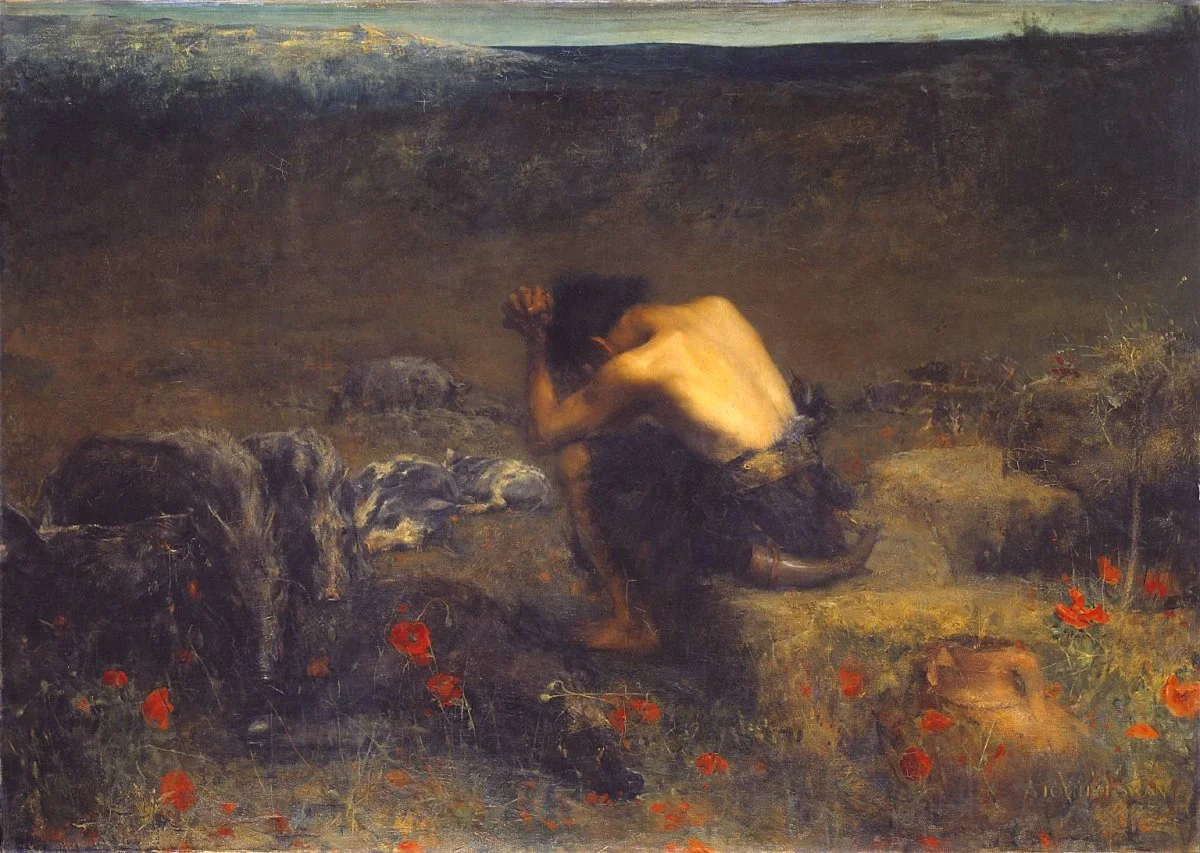
What does it mean when a church says “I’m sorry”? “Theology of Church Apologies” from the Anglican-Roman Catholic Dialogue of Canada invites reflection on the significance of church apologies. Drawing on scripture, theology and historical examples, it shows how apologies can help repair relationships and guide communities towards truth, healing and reconciliation.
“I’m sorry.”
Many of us know the profound healing effect of hearing these or similar words spoken, in sincerity and truth, by someone who has in some way wronged us. Many of us also know the deeply humbling feeling of being the one who offers a genuine apology.
In recent years several churches have offered formal apologies to individuals and communities of people who have been harmed – sometimes traumatically – by our words and deeds. In Canada, for example, Catholic and Anglican leaders have formally apologized for our churches’ role in the destructive system of Indian Residential Schools.
… Read more » … lire la suite »
Posted: Mar. 2, 2026 • Permanent link: ecumenism.net/?p=14929
Categories: Dialogue, Documents, News • In this article: Anglican, apologies, Catholic, dialogue, Reconciliation
Transmis : 2 mars 2026 • Lien permanente : ecumenism.net/?p=14929
Catégorie : Dialogue, Documents, News • Dans cet article : Anglican, apologies, Catholic, dialogue, Reconciliation

Has your faith commitment and organizing experience prepared you or someone you know for this leadership role?
The Canadian Council of Churches is seeking an individual to fill the role of General Secretary on a full-time basis for a 5-year renewable term, beginning September 1, 2026.
The Canadian Council of Churches (the Council) is a broad and inclusive ecumenical body, now representing 26 member churches including Anglican; Eastern and Roman Catholic; Evangelical; Free Church; Eastern and Oriental Orthodox; and Historic Protestant traditions.
… Read more » … lire la suite »
Posted: Mar. 2, 2026 • Permanent link: ecumenism.net/?p=14874
Categories: News • In this article: Canadian Council of Churches
Transmis : 2 mars 2026 • Lien permanente : ecumenism.net/?p=14874
Catégorie : News • Dans cet article : Canadian Council of Churches
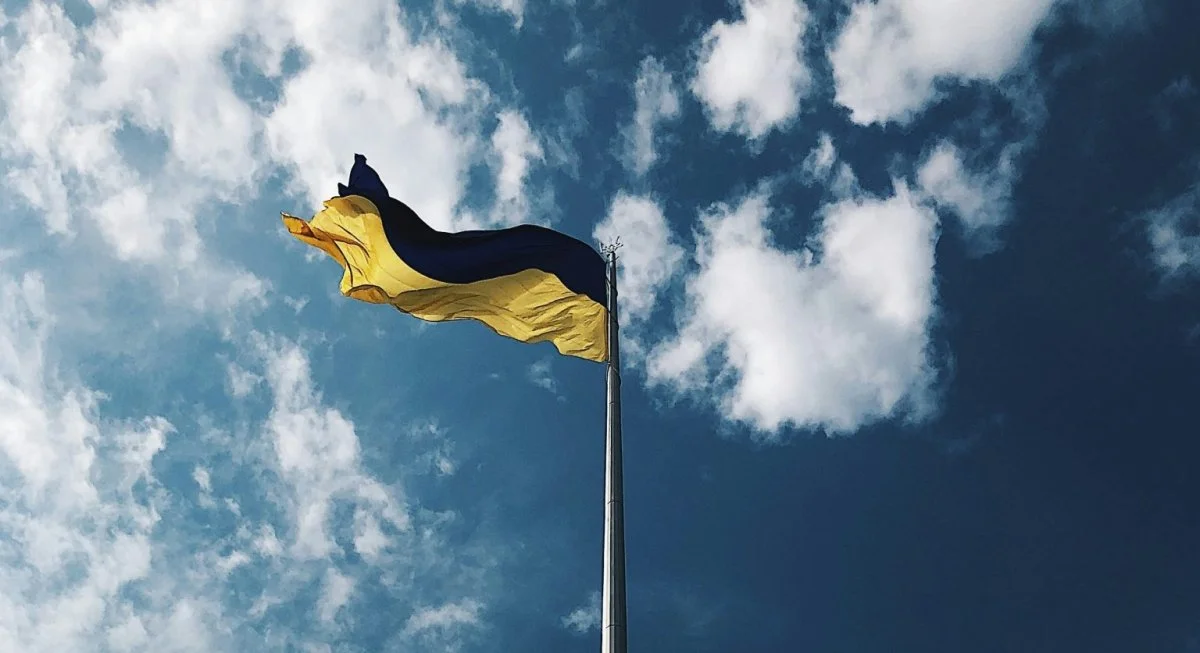
As we approach the fourth anniversary of Russia’s full-scale invasion of Ukraine and the twelfth anniversary of its illegal occupation of Crimea and parts of eastern Ukraine, we once again address Canadian Christians with urgency, grief, and hope. These calls to action build on the witness offered in February 2024 when we released A Canadian Pastoral Letter on Ukraine, Canada and the Church. It arises from relationships of shared prayer, co-suffering, and discernment among Ukrainian Orthodox, Ukrainian Catholic, Evangelical, and other Christian leaders, together with the World Evangelical Alliance Peace & Reconciliation Network, The Evangelical Fellowship of Canada, and The Canadian Council of Churches. We write again because the war continues, suffering deepens, and faithful Christian witness remains urgently needed.
… Read more » … lire la suite »
Posted: Feb. 24, 2026 • Permanent link: ecumenism.net/?p=14827
Categories: News, Pastoral letter • In this article: justice, peace, Ukraine
Transmis : 24 févr. 2026 • Lien permanente : ecumenism.net/?p=14827
Catégorie : News, Pastoral letter • Dans cet article : justice, peace, Ukraine
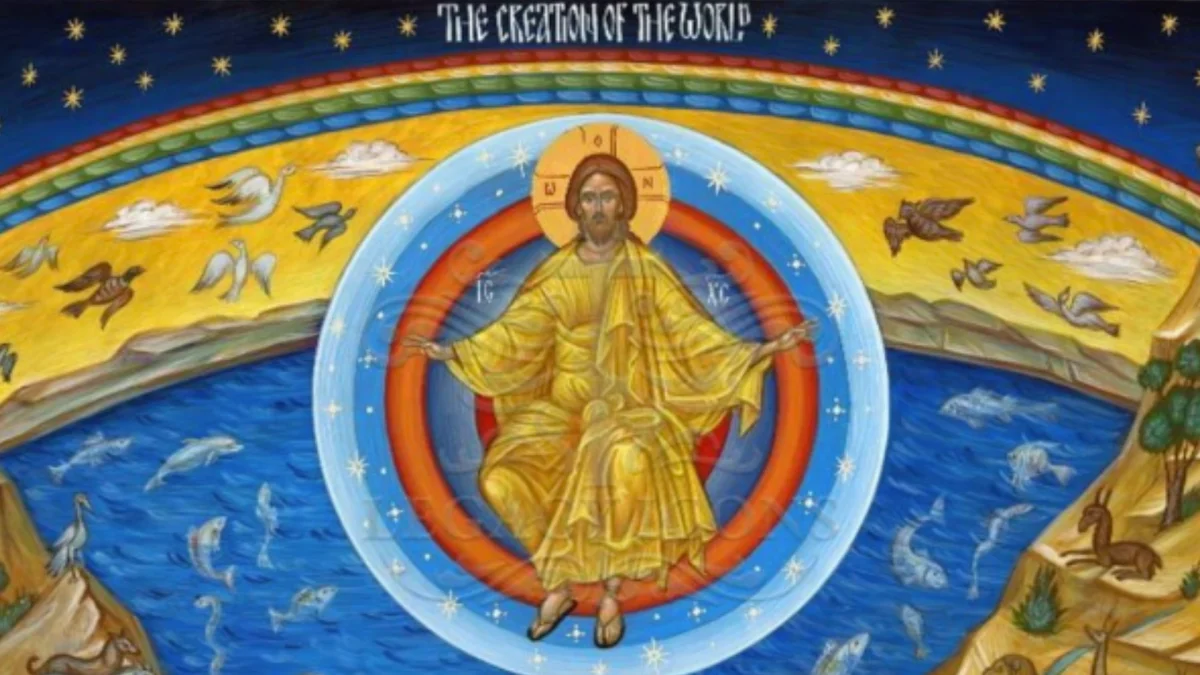
A growing ecumenical movement is reshaping church calendars worldwide. The Feast of Creation — celebrated annually on Sept. 1 and also known as Creation Day or the World Day of Prayer for Creation — is being formally added to the liturgical calendars of many churches.
The World Communion of Reformed Churches is supporting the initiative alongside the World Council of Churches, Middle East Council of Churches, Anglican Communion, Lutheran World Federation, and the World Methodist Council.
… Read more » … lire la suite »
Posted: Feb. 20, 2026 • Permanent link: ecumenism.net/?p=14830
Categories: WCRC • In this article: creation, environment, liturgy, Revised Common Lectionary
Transmis : 20 févr. 2026 • Lien permanente : ecumenism.net/?p=14830
Catégorie : WCRC • Dans cet article : creation, environment, liturgy, Revised Common Lectionary

Cardinal Pierbattista Pizzaballa, Latin patriarch of Jerusalem, strongly criticised the U.S.-led Board of Peace, an international body chaired by President Donald Trump to oversee the governance and reconstruction of Gaza. During an event at the Roman parish of San Francesco a Ripa Grande, Pizzaballa was asked by moderator Maria Gianniti, Rome correspondent for the Italian news channel RAI, about his thoughts on the Board of Peace.
“What do I think of the Board of Peace? I think it is a colonialist operation: others deciding for the Palestinians,” Pizzaballa said, according to a report by Italian newspaper Il Sole 24 Ore. The cardinal also commented on the invitation extended to the Vatican to join the international body and its $1-billion price tag for a permanent seat on the board.
… Read more » … lire la suite »
Posted: Feb. 18, 2026 • Permanent link: ecumenism.net/?p=14832
Categories: OSV News • In this article: Donald Trump, Gaza, Palestine, peace, Pierbattista Pizzaballa
Transmis : 18 févr. 2026 • Lien permanente : ecumenism.net/?p=14832
Catégorie : OSV News • Dans cet article : Donald Trump, Gaza, Palestine, peace, Pierbattista Pizzaballa
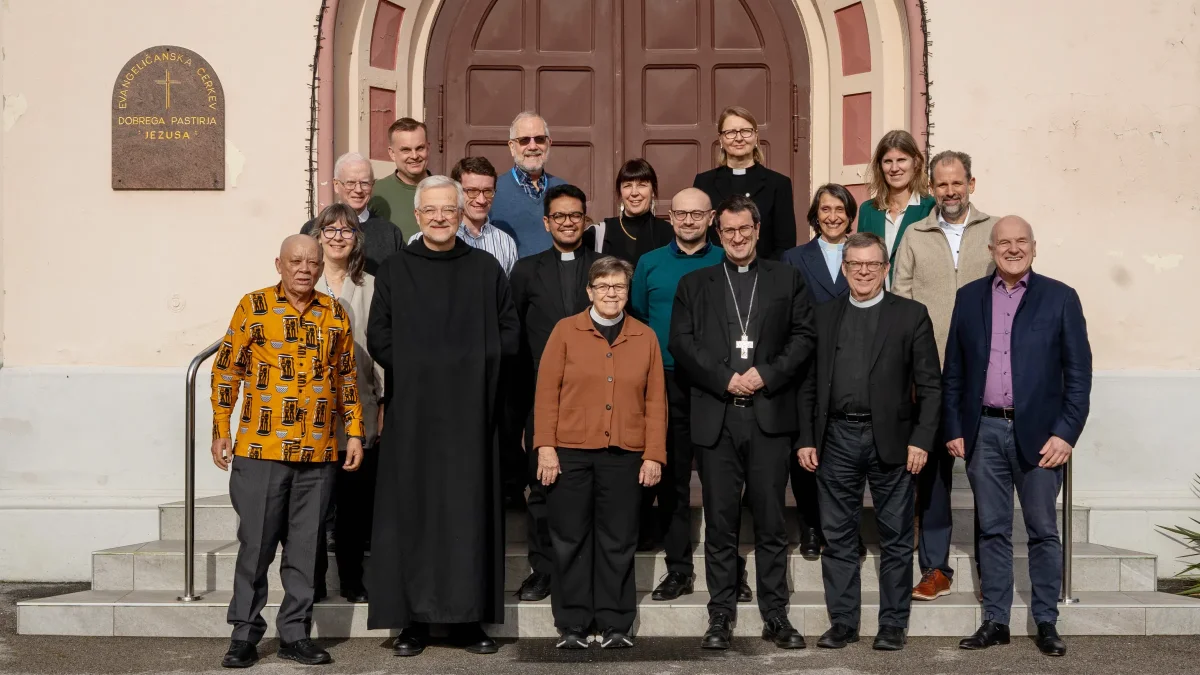
Catholic and Lutheran theologians meet in Slovenia to begin drafting a joint statement marking the 500th anniversary of the Augsburg Confession.
The launch of the Sixth Phase of the International Lutheran-Catholic Commission on Unity bears fruit in Slovenia.
“We discerned new perspectives and highlighted the deep ecumenical potential of the Augsburg Confession,” said Prof. Dr Dirk Lange, The Lutheran World Federation (LWF) Assistant General Secretary for Ecumenical Relations, following the launch of a new phase of theological dialogue with the Roman Catholic Church.
… Read more » … lire la suite »
Posted: Feb. 12, 2026 • Permanent link: ecumenism.net/?p=14800
Categories: Lutheran World Information • In this article: Augsburg Confession, dialogue, Dicastery for Promoting Christian Unity, Lutheran World Federation
Transmis : 12 févr. 2026 • Lien permanente : ecumenism.net/?p=14800
Catégorie : Lutheran World Information • Dans cet article : Augsburg Confession, dialogue, Dicastery for Promoting Christian Unity, Lutheran World Federation
What is the Catholic Church in England and Wales for, exactly? Some might insist existence is enough and no more needs to be said. When the Catholic Church taught extra ecclesiam nulla salus without qualification, that was clearly an imperative. But the Catechism now states: “Those who, through no fault of their own, do not know the Gospel of Christ or his Church, but who nevertheless seek God with a sincere heart, and, moved by grace, try in their actions to do his will as they know it through the dictates of their conscience – those too may achieve eternal salvation” (quoting Lumen Gentium, 16). Paradise is open to all people of sincere goodwill. So why be Catholic? It is not a question that has yet been fully answered.
… Read more » … lire la suite »
Posted: Feb. 11, 2026 • Permanent link: ecumenism.net/?p=14798
Categories: Opinion, Tablet • In this article: Anglican, Catholic, Church of England, England
Transmis : 11 févr. 2026 • Lien permanente : ecumenism.net/?p=14798
Catégorie : Opinion, Tablet • Dans cet article : Anglican, Catholic, Church of England, England
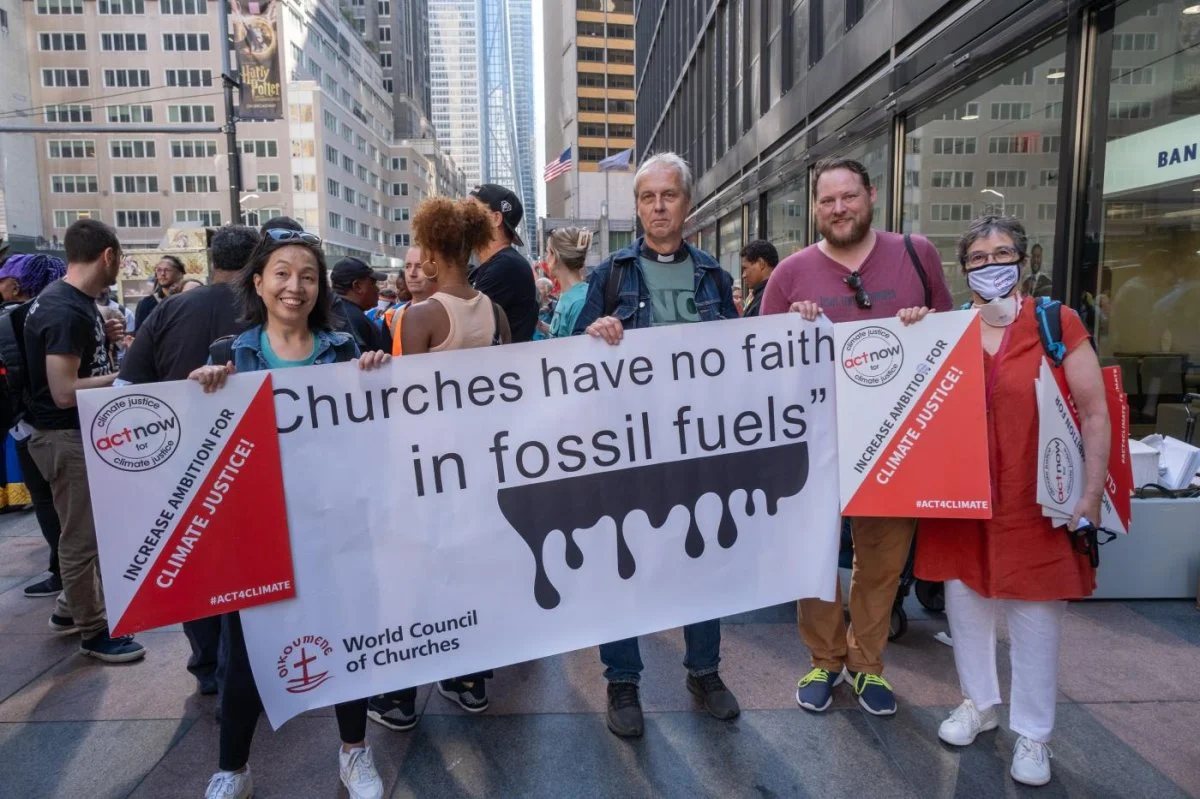
The World Council of Churches (WCC) has released a new resource, Ten Commandments of Climate-Responsible Banking, calling on individuals, churches, and faith-based organizations to align their financial choices with climate justice and the wellbeing of future generations.
The guide stresses that money entrusted to banks is often invested in industries driving the climate crisis and urges believers to use their economic influence to support a transition away from fossil fuels and toward sustainable alternatives.
… Read more » … lire la suite »
Posted: Feb. 6, 2026 • Permanent link: ecumenism.net/?p=14796
Categories: WCC News • In this article: climate change, economic ethics, environment, WCC
Transmis : 6 févr. 2026 • Lien permanente : ecumenism.net/?p=14796
Catégorie : WCC News • Dans cet article : climate change, economic ethics, environment, WCC
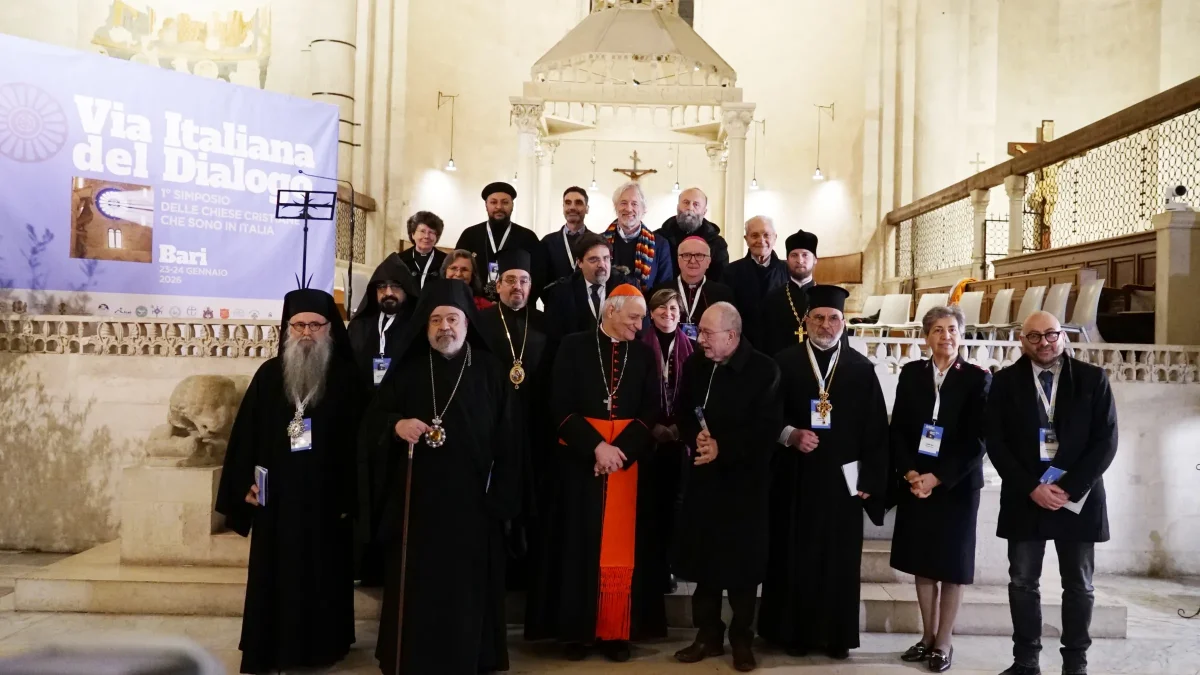
Strengthening relations among different Christian churches in Italy, while promoting authentic Christian values within an increasingly secular society. Those were the twin goals of a recent symposium, during which representatives of eighteen churches and Christian communities signed an ecumenical pact pledging to pursue dialogue, joint witness and closer cooperation for the common good.
As dean of the Evangelical Lutheran Church in Italy, Rev. Carsten Gerdes took part in the two-day symposium, held in the southern port city of Bari. The gathering included the signing of a bold new agreement between Catholic, Orthodox, Anglican, Protestant, Pentecostal and Free churches present around the Italian peninsula.
… Read more » … lire la suite »
Posted: Feb. 5, 2026 • Permanent link: ecumenism.net/?p=14794
Categories: Lutheran World Information • In this article: covenant, Italy
Transmis : 5 févr. 2026 • Lien permanente : ecumenism.net/?p=14794
Catégorie : Lutheran World Information • Dans cet article : covenant, Italy
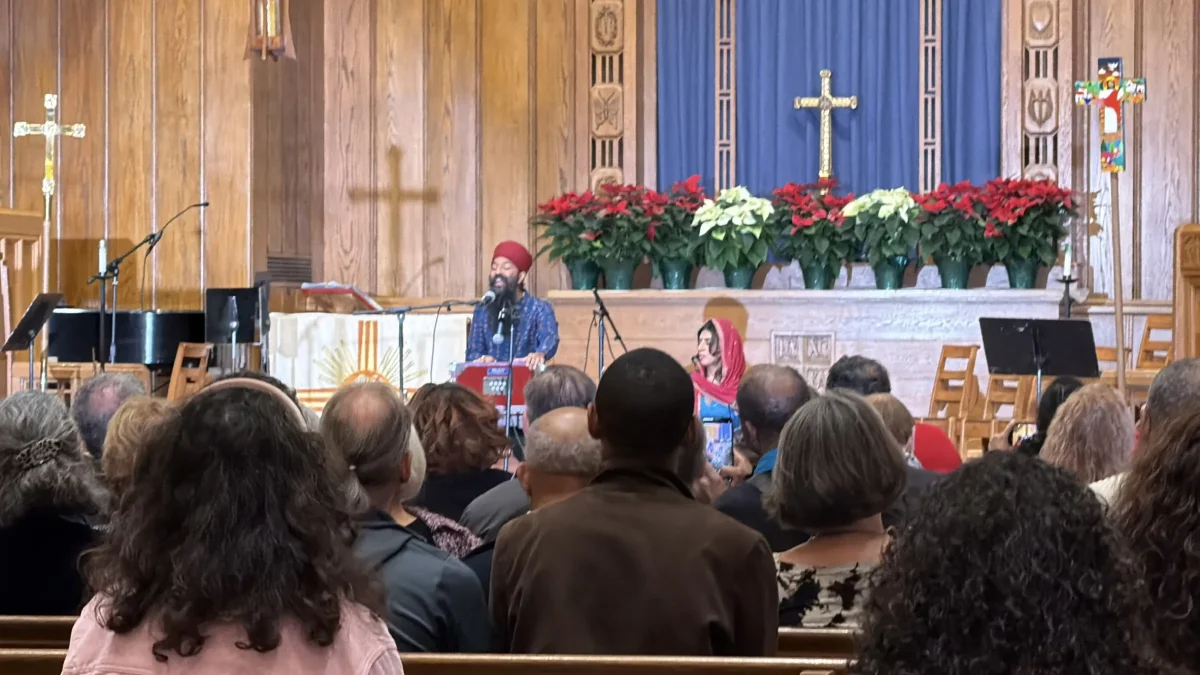
To mark the 1 to 7 February World Interfaith Harmony Week, LWF’s director for Theology, Mission and Justice reflects on the need to stand united against division and hatred, tending the flame of hope together.
When the United Nations launched the World Interfaith Harmony Week in 2010, the vision was for a week globally dedicated to highlighting common values across faith traditions, including all people of goodwill — love of God, love of the good, and love of neighbour. Sixteen years later, as we observe this week again, the onslaught of the unending bad news reminds me how the world has shifted dramatically. The challenge before us is no longer simply about dialogue and understanding. It’s about solidarity and cooperation for the common good in the face of rising religious nationalism globally.
… Read more » … lire la suite »
Posted: Feb. 3, 2026 • Permanent link: ecumenism.net/?p=14792
Categories: Lutheran World Information, Opinion • In this article: Interfaith Harmony Week, religious nationalism
Transmis : 3 févr. 2026 • Lien permanente : ecumenism.net/?p=14792
Catégorie : Lutheran World Information, Opinion • Dans cet article : Interfaith Harmony Week, religious nationalism
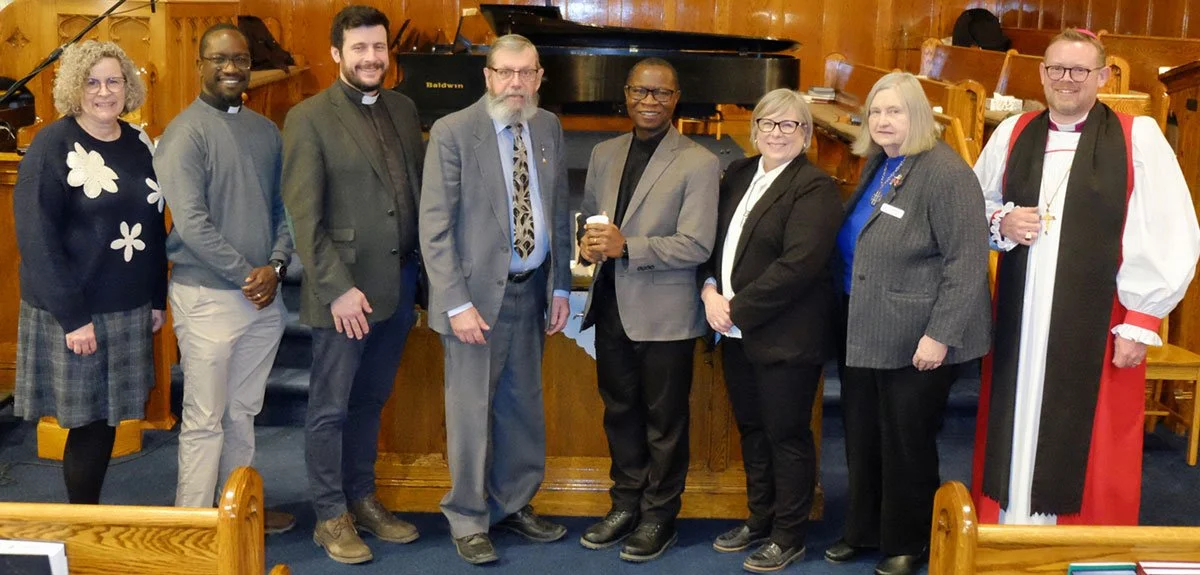
With prayer, song, reflection, and the symbolic sharing of the Light of Christ, Christians from many traditions gathered for the closing of the Week of Prayer for Christian Unity Jan. 25 at St. Andrew Presbyterian Church in Saskatoon.
Mary Nordick, chair of the Prairie Centre for Ecumenism, welcomed those gathered for the Sunday afternoon worship service, reflecting on the “blessed week” of prayer, events, and reflection from Jan. 18-25.
… Read more » … lire la suite »
Posted: Jan. 30, 2026 • Permanent link: ecumenism.net/?p=14790
Categories: News • In this article: De Margerie Series, Prairie Centre for Ecumenism, Saskatoon, WPCU
Transmis : 30 janv. 2026 • Lien permanente : ecumenism.net/?p=14790
Catégorie : News • Dans cet article : De Margerie Series, Prairie Centre for Ecumenism, Saskatoon, WPCU
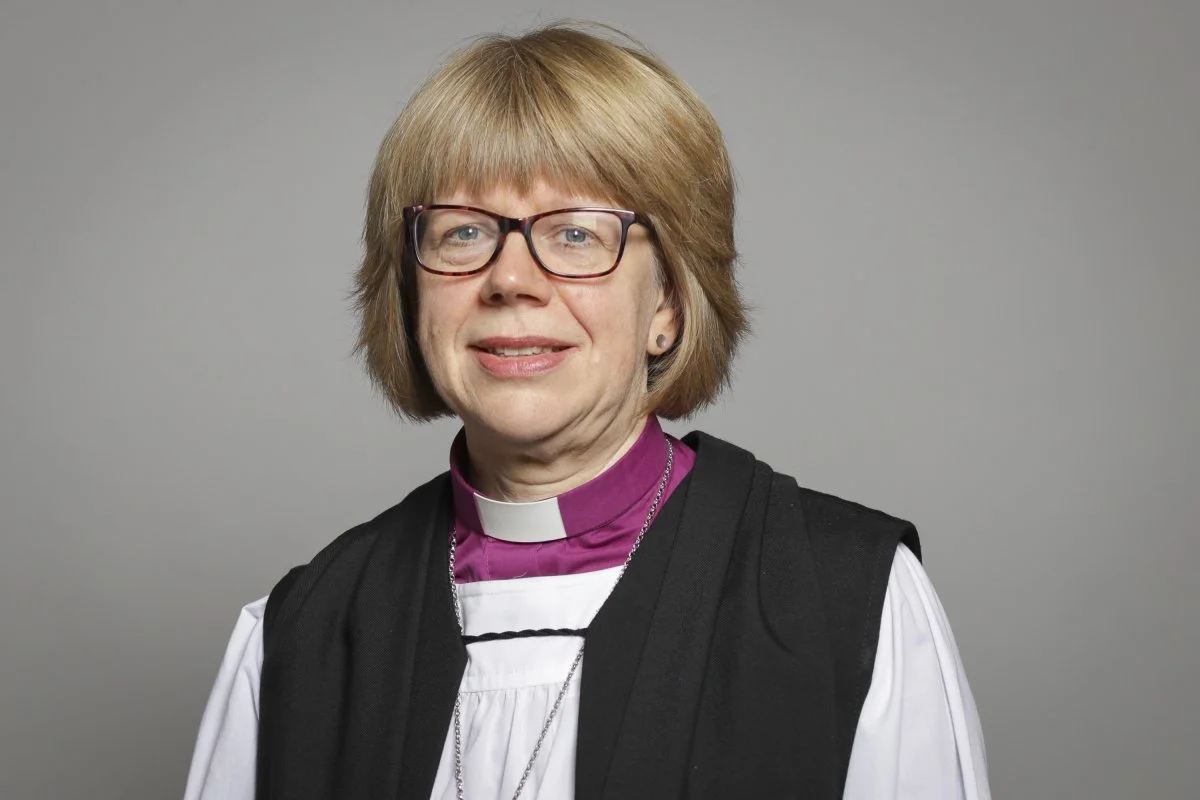
Sarah Mullally was confirmed archbishop of Canterbury Jan. 28 at St. Paul’s Cathedral in London, England. She became the first woman to hold the office in its 1,400-year history.
“It is an extraordinary and humbling privilege to have been called to be the 106th archbishop of Canterbury. In this country and around the world, Anglican churches bring healing and hope to their communities,” Mullally said ahead of her confirmation. “With God’s help, I will seek to guide Christ’s flock with calmness, consistency and compassion.”
… Read more » … lire la suite »
Posted: Jan. 28, 2026 • Permanent link: ecumenism.net/?p=14788
Categories: ENS • In this article: Archbishop of Canterbury, Sarah Mullally
Transmis : 28 janv. 2026 • Lien permanente : ecumenism.net/?p=14788
Catégorie : ENS • Dans cet article : Archbishop of Canterbury, Sarah Mullally
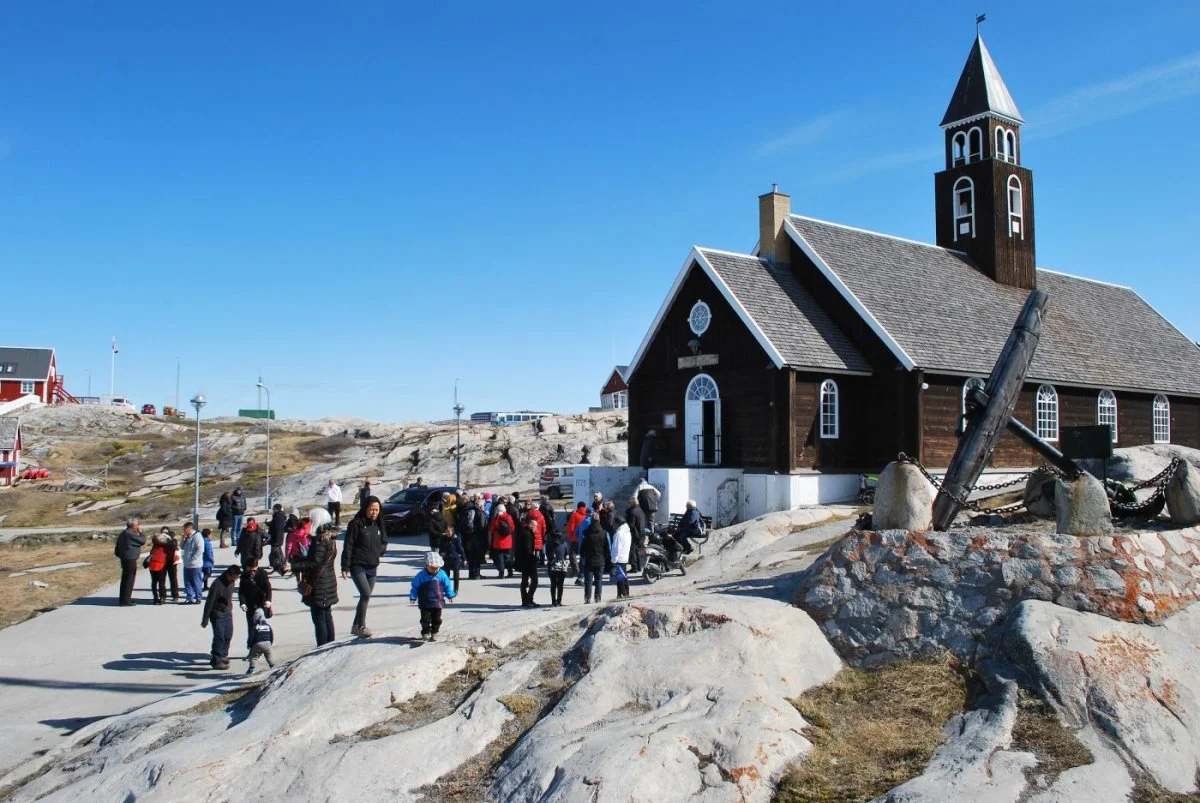
The World Council of Churches (WCC) convened an online meeting of church leaders from Greenland, Denmark, the wider Nordic region, and North America on 23 January.
The meeting followed the WCC general secretary’s statement on 15 January emphasizing that the people of Greenland have an inalienable right to self-determination and are on a clear pathway to independence, that their rights and views must be seriously considered and respected, and that the US Government’s stated determination to own and control Greenland is in diametric opposition to the wishes of the people of Greenland and to their political trajectory towards independence, and is tantamount to neocolonialism.
… Read more » … lire la suite »
Posted: Jan. 26, 2026 • Permanent link: ecumenism.net/?p=14802
Categories: WCC News • In this article: Greenland, neocolonialism, Nordic, WCC
Transmis : 26 janv. 2026 • Lien permanente : ecumenism.net/?p=14802
Catégorie : WCC News • Dans cet article : Greenland, neocolonialism, Nordic, WCC
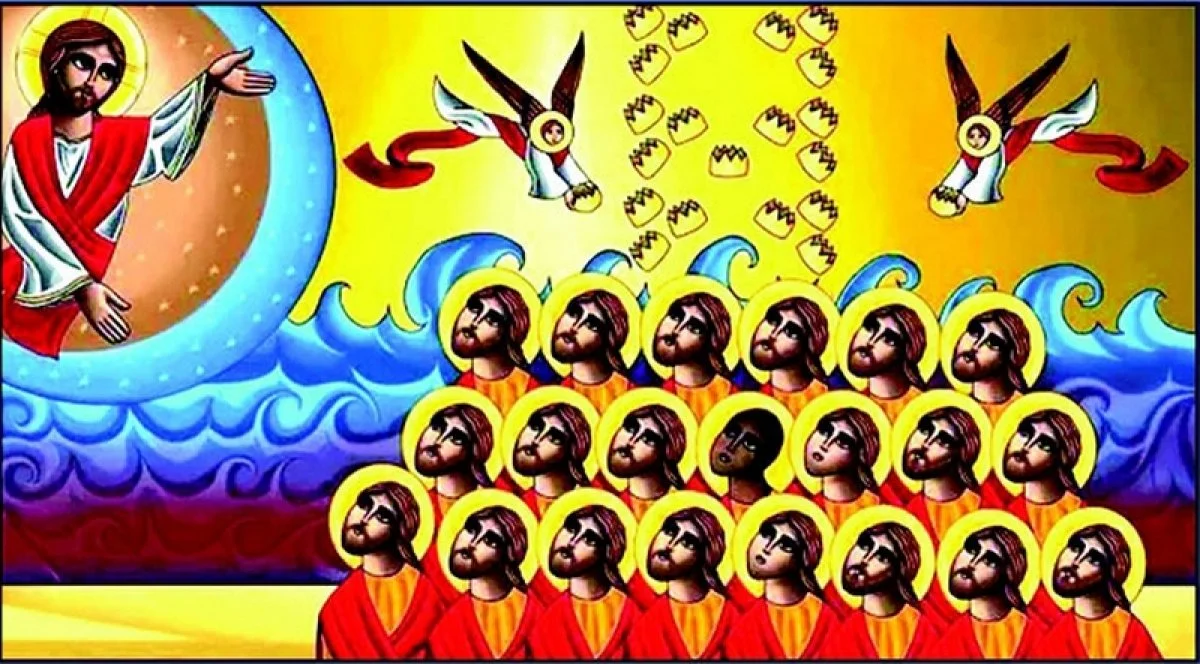
Two talks in Saskatchewan during the Week of Prayer for Christian Unity will explore, first, how martyrdom has, time and again, served as a resource for ecumenism, and then how the history of Christians killing Christians can be reckoned with to engender reconciliation and greater unity in the future.
Dr. Jeremy Bergen is the keynote lecturer for the 2026 De Margerie Series on Christian Reconciliation and Unity, with 7 p.m. local time presentations on Jan. 21 at Regina’s Campion College, and Jan. 22 at Saskatoon’s St. Thomas More College.
… Read more » … lire la suite »
Posted: Jan. 17, 2026 • Permanent link: ecumenism.net/?p=14816
Categories: Catholic Register • In this article: Christian unity, De Margerie Series, Jeremy Bergen, martyrdom, Mennonite, peace, Regina, Saskatoon
Transmis : 17 janv. 2026 • Lien permanente : ecumenism.net/?p=14816
Catégorie : Catholic Register • Dans cet article : Christian unity, De Margerie Series, Jeremy Bergen, martyrdom, Mennonite, peace, Regina, Saskatoon

The Common Declaration of Pope Paul VI and Archbishop Michael Ramsey in 1966, together with the Malta Report (1968), set the agenda for the Anglican-Roman Catholic International Commission, of which I was a member for many years. This agenda was nothing less than the restoration of full communion in faith and sacramental life between the two traditions. Since then, ARCIC has produced a succession of agreements on Eucharist, Ministry, Authority, Salvation, Moral Teaching, and the Blessed Virgin Mary, matters which were seen as Church-dividing. In the year 2000, in spite of some new obstacles, Archbishop George Carey of Canterbury and Cardinal Cassidy of the Pontifical Council for Promoting Christian Unity were able to call a meeting of bishops to consider how to take forward, in practical terms, the remarkable agreements already reached by ARCIC. Thus was formed the International Anglican-Roman Catholic Commission on Unity and Mission, of which I was also a member.
… Read more » … lire la suite »
Posted: Jan. 14, 2026 • Permanent link: ecumenism.net/?p=14784
Categories: News • In this article: Anglican, ARCIC, Catholic
Transmis : 14 janv. 2026 • Lien permanente : ecumenism.net/?p=14784
Catégorie : News • Dans cet article : Anglican, ARCIC, Catholic

Atlantic School of Theology (AST) will establish a pioneering ecumenical shared ministries training program after receiving a US$2.5-million grant from the Lilly Endowment foundation.
Designed for students preparing for ordained or lay professional ministry, as well as continuing education for existing clergy and lay ministers, the program will be the first formal training program of its kind, AST president the Rev. Heather McCance says. Ecumenical shared ministries refer to Christians from different denominations worshipping together or sharing a program, mission, ministry, clergy, staff and/or building.
… Read more » … lire la suite »
Posted: Jan. 14, 2026 • Permanent link: ecumenism.net/?p=14782
Categories: Anglican Journal • In this article: Atlantic School of Theology, Sandra Beardsall, shared ministry
Transmis : 14 janv. 2026 • Lien permanente : ecumenism.net/?p=14782
Catégorie : Anglican Journal • Dans cet article : Atlantic School of Theology, Sandra Beardsall, shared ministry
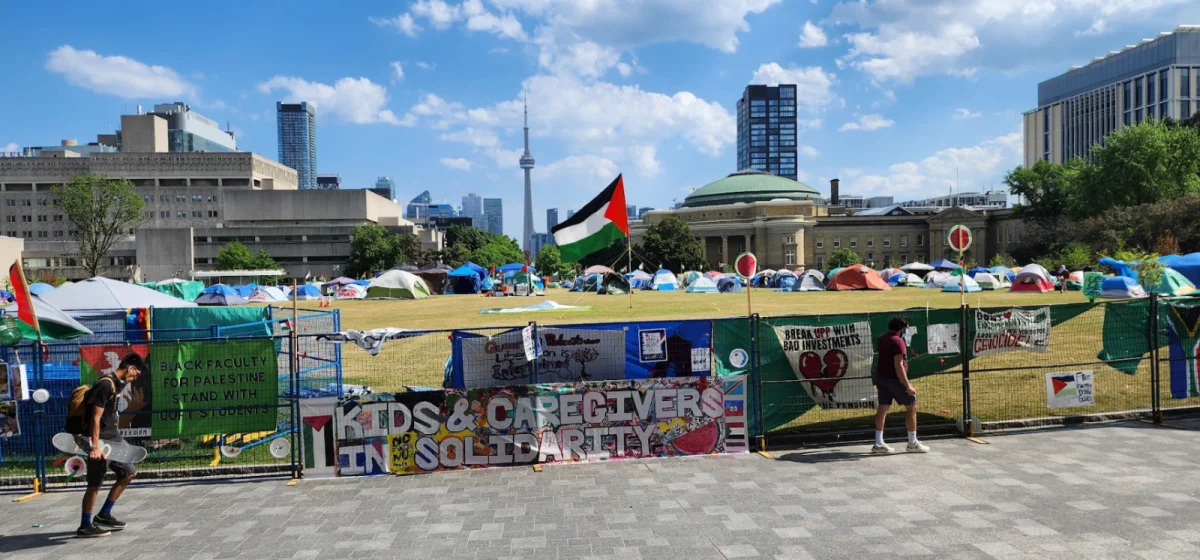
Archbishop Shane Parker, primate of the Anglican Church of Canada, has written an open letter asking the Canadian government to reconsider an amendment to an upcoming bill that would remove religion as a defence against hate speech charges — while other critics describe the bill itself as an attack on free speech.
The primate otherwise expressed his support for Bill C-9, which he described as intended to address a growing number of incidents involving hateful speech or conduct, including antisemitism and Islamophobia.
… Read more » … lire la suite »
Posted: Jan. 12, 2026 • Permanent link: ecumenism.net/?p=14780
Categories: Anglican Journal • In this article: Anglican Church of Canada, hate crimes, Parliament of Canada, Shane Parker
Transmis : 12 janv. 2026 • Lien permanente : ecumenism.net/?p=14780
Catégorie : Anglican Journal • Dans cet article : Anglican Church of Canada, hate crimes, Parliament of Canada, Shane Parker

This past fall, I attended an event honouring the late Rabbi Reuven Bulka, a loved and respected rabbi from Ottawa. I was struck by the high level of security and how such measures are now common in Jewish circles. I thought, How sad we’ve come to this point in Canada where Jews are constantly forced to prepare for potential physical violence!
Antisemitism isn’t new. For millennia, Jews have faced slander, hatred and violence – and far too often from the Church. In the latter half of the 20th century, many hoped for the end of antisemitism after Auschwitz. Alarmingly, antisemitism is rising yet again.
… Read more » … lire la suite »
Posted: Jan. 2, 2026 • Permanent link: ecumenism.net/?p=14732
Categories: News, Opinion • In this article: antisemitism, Judaism, religious hatred
Transmis : 2 janv. 2026 • Lien permanente : ecumenism.net/?p=14732
Catégorie : News, Opinion • Dans cet article : antisemitism, Judaism, religious hatred
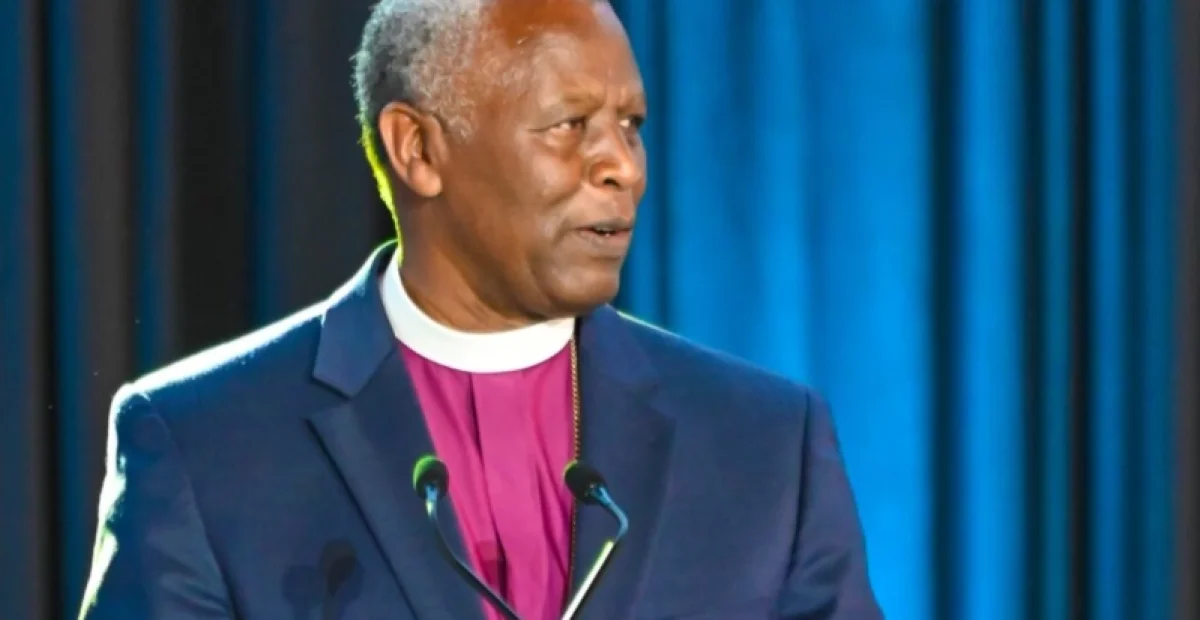
GAFCON, a conservative Anglican movement that claims to represent the majority of Anglicans worldwide, particularly in the Global South, is moving toward a formal reordering of global Anglican leadership following its October renunciation of the Archbishop of Canterbury’s authority.
… Read more » … lire la suite »
Posted: Dec. 18, 2025 • Permanent link: ecumenism.net/?p=14730
Categories: News • In this article: Anglican, GAFCON, Sarah Mullally
Transmis : 18 déc. 2025 • Lien permanente : ecumenism.net/?p=14730
Catégorie : News • Dans cet article : Anglican, GAFCON, Sarah Mullally
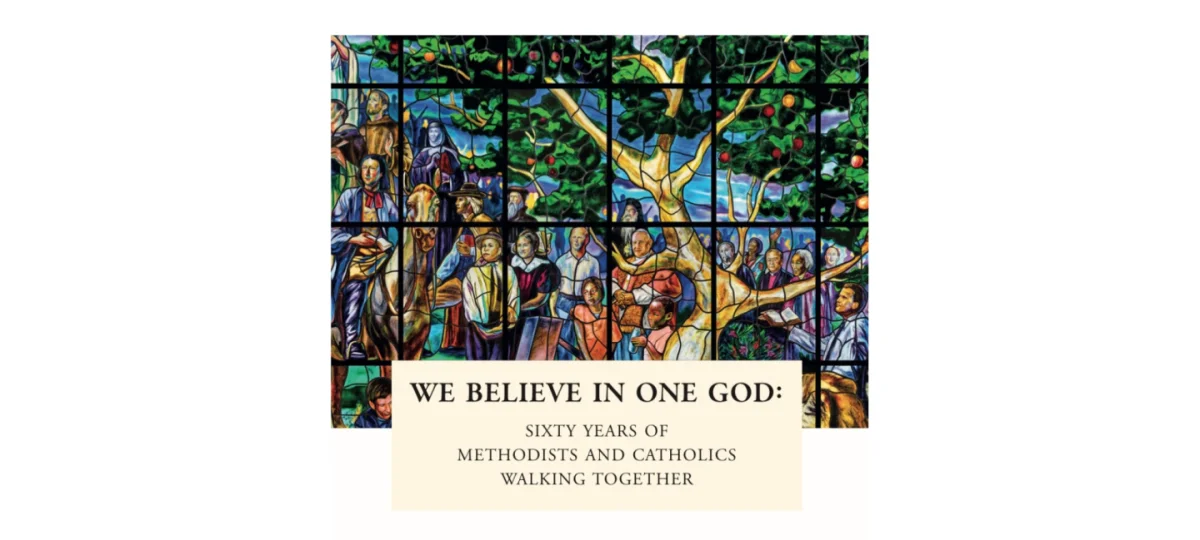
‘We believe in One God’ is the title of a new publication by the Catholic Church and the World Methodist Council, detailing progress made over the past six decades towards full visible unity between the two Christian world communions.
Printed by the Vatican Publishing House as part of an ecumenical series, the volume draws together the results of 11 reports produced by the Methodist-Roman Catholic International Commission (MERCIC) since their formal dialogue began back in 1967. These reports, named after the cities in which they were presented to the World Methodist Conference, explore topics such as baptism, holiness, Scripture and tradition, Eucharist, nature and mission of the church and the call to visible communion.
… Read more » … lire la suite »
Posted: Dec. 10, 2025 • Permanent link: ecumenism.net/?p=14728
Categories: Dialogue, News • In this article: dialogue, Dicastery for Promoting Christian Unity, World Methodist Council
Transmis : 10 déc. 2025 • Lien permanente : ecumenism.net/?p=14728
Catégorie : Dialogue, News • Dans cet article : dialogue, Dicastery for Promoting Christian Unity, World Methodist Council

Religious organisations urge Ottawa to consult them before redefining the limits of protected expression for religious groups.
Christian, Muslim and Jewish organisations are responding to a proposal to eliminate a religious exemption to Canada’s federal hate crimes legislation.
In September, the government introduced Bill C-9, the Combating Hate Act, which would introduce offences for publicly displaying symbols such as the swastika, impeding access to places of worship or other social centres, or committing offences motivated by hate.
… Read more » … lire la suite »
Posted: Dec. 9, 2025 • Permanent link: ecumenism.net/?p=14726
Categories: News • In this article: criminal justice, Parliament of Canada, religious hatred
Transmis : 9 déc. 2025 • Lien permanente : ecumenism.net/?p=14726
Catégorie : News • Dans cet article : criminal justice, Parliament of Canada, religious hatred
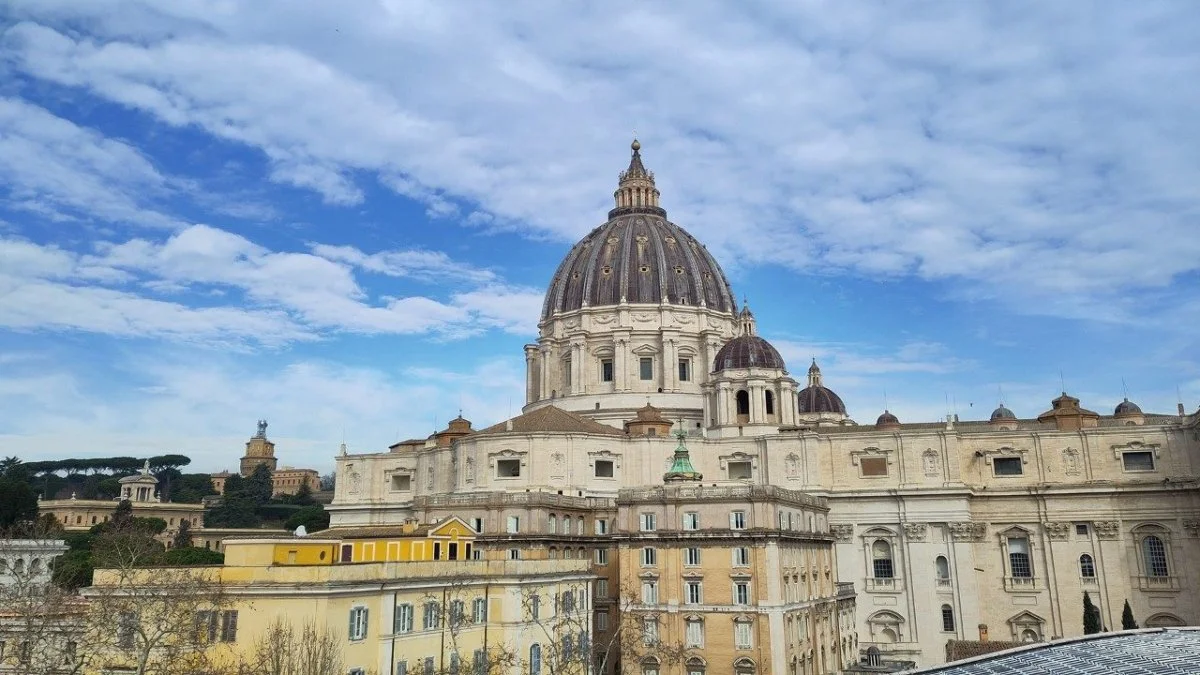
A report presenting the results of the Commission’s work has been released. It rules out admitting women to the diaconate understood as a degree of the sacrament of Holy Orders, but says that it is not currently possible “to formulate a definitive judgment, as in the case of priestly ordination.”
“The status quaestionis of historical research and theological investigation, as well as their mutual implications, rules out the possibility of moving in the direction of admitting women to the diaconate understood as a degree of the sacrament of Holy Orders. In light of Sacred Scripture, Tradition, and the Church’s Magisterium, this assessment is strongly maintained, although it does not at present allow for a definitive judgment to be formulated, as is the case with priestly ordination.”
… Read more » … lire la suite »
Posted: Dec. 4, 2025 • Permanent link: ecumenism.net/?p=14724
Categories: Vatican News • In this article: deacons, Vatican, women
Transmis : 4 déc. 2025 • Lien permanente : ecumenism.net/?p=14724
Catégorie : Vatican News • Dans cet article : deacons, Vatican, women
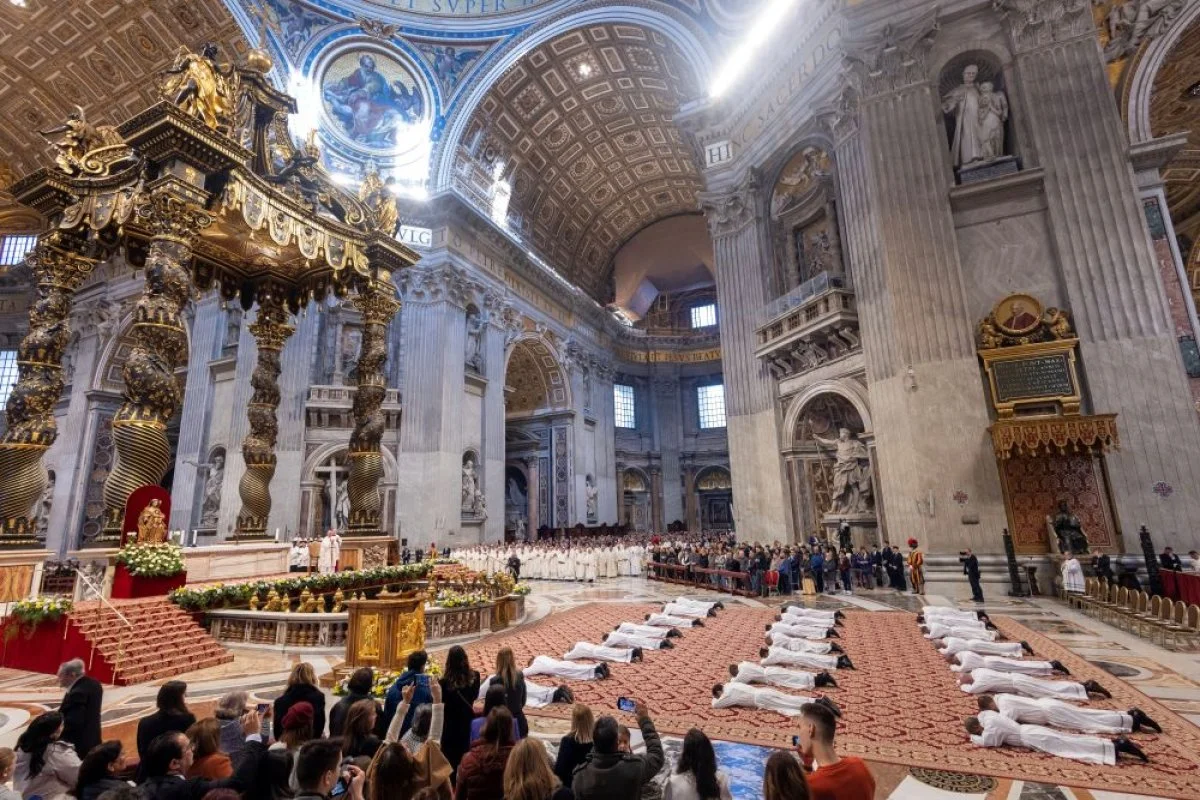
A Vatican commission studying the possibility of female deacons reported that the current state of historical and theological research “excludes the possibility of proceeding” toward admitting women to the diaconate, a conclusion that slows momentum on one of the church’s most debated questions while stopping short of a definitive no.
In a letter sharing the results of its work with Pope Leo XIV and released by the Vatican Dec. 4, the commission reported a 7-1 vote in favour of a statement concluding that the church cannot currently move toward admitting women to the third degree of holy orders, the diaconate.
… Read more » … lire la suite »
Posted: Dec. 4, 2025 • Permanent link: ecumenism.net/?p=14722
Categories: NCR • In this article: Catholic, deacons, ordination, Vatican, women
Transmis : 4 déc. 2025 • Lien permanente : ecumenism.net/?p=14722
Catégorie : NCR • Dans cet article : Catholic, deacons, ordination, Vatican, women
In December, even as the days grow shorter and the nights longer, Jews and Catholics celebrate the holidays of Hanukkah and Christmas. Advent candles and Hanukkah lamps are to be found throughout Canada, their respective symbolisms mirrored in other winter solstice festivals, both ancient and modern, that find spiritual meaning in the calendar’s gradual turn towards light.
… Read more » … lire la suite »
Posted: Dec. 4, 2025 • Permanent link: ecumenism.net/?p=14720
Categories: News • In this article: Catholic, Jewish-Christian relations, Judaism
Transmis : 4 déc. 2025 • Lien permanente : ecumenism.net/?p=14720
Catégorie : News • Dans cet article : Catholic, Jewish-Christian relations, Judaism

The Public Health Agency of Canada has reached out to Canadian faith groups, asking them to share information about measles with their members.
The agency made its request to the Canadian Council of Churches, the Canadian Interfaith Conversation, and the Canadian Multifaith Federation, three organisations that represent a wide range of faith groups.
The agency’s request followed a roundtable with faith leaders hosted by the Public Health Agency of Canada on Sept. 16.
… Read more » … lire la suite »
Posted: Dec. 2, 2025 • Permanent link: ecumenism.net/?p=14718
Categories: News • In this article: Canadian Council of Churches, Canadian Interfaith Conversation, Canadian Multifaith Federation, Government of Canada, vaccines
Transmis : 2 déc. 2025 • Lien permanente : ecumenism.net/?p=14718
Catégorie : News • Dans cet article : Canadian Council of Churches, Canadian Interfaith Conversation, Canadian Multifaith Federation, Government of Canada, vaccines

Pope Leo XIV and Ecumenical Patriarch Bartholomew of Constantinople called on Christians of the East and West to finally agree on a common date for Easter.
During a meeting at the patriarchal palace on 29 November, the two leaders — who met to celebrate the 1,700th anniversary of the Council of Nicaea — said the anniversary should inspire “new and courageous steps on the path toward unity,” including finding that common date.
… Read more » … lire la suite »
Posted: Dec. 1, 2025 • Permanent link: ecumenism.net/?p=14716
Categories: CNS • In this article: Bartholomew I, Date of Easter, declarations, peace, Pope Leo XIV, Türkiye, Ukraine
Transmis : 1 déc. 2025 • Lien permanente : ecumenism.net/?p=14716
Catégorie : CNS • Dans cet article : Bartholomew I, Date of Easter, declarations, peace, Pope Leo XIV, Türkiye, Ukraine
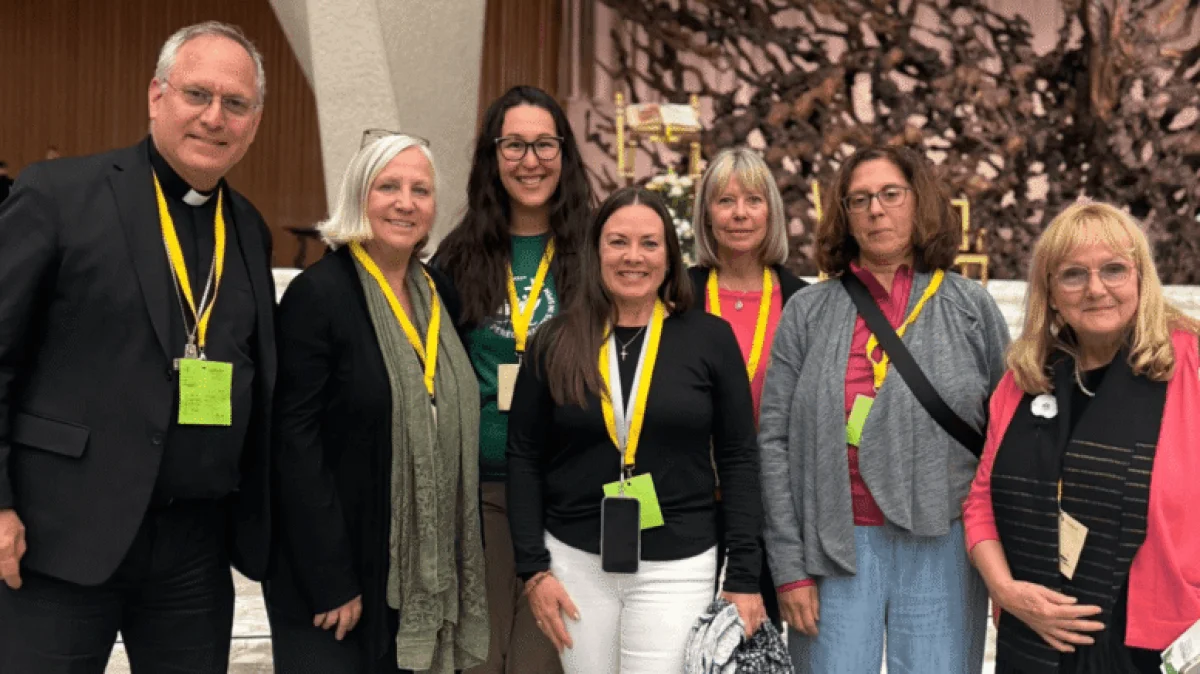
A month after attending the Vatican’s Jubilee of Synodal Teams and Participatory Bodies (Oct. 24–26), Canadian lay leaders involved in the Church’s synodality movement hosted a webinar to reflect on the event and discuss next steps in the synodal journey.
The Nov. 25 virtual event, called “Pilgrims of Hope: From Waterloo to Rome” by Concerned Lay Catholics, highlighted that much of the Vatican summit’s discussions echoed those from the “Journey of Encounter: Pilgrims of Hope Embracing Synodality” event held in June at St. Jerome’s University in Waterloo, Ontario.
… Read more » … lire la suite »
Posted: Nov. 29, 2025 • Permanent link: ecumenism.net/?p=14714
Categories: Catholic Register • In this article: Canada, Catholic, synodality
Transmis : 29 nov. 2025 • Lien permanente : ecumenism.net/?p=14714
Catégorie : Catholic Register • Dans cet article : Canada, Catholic, synodality
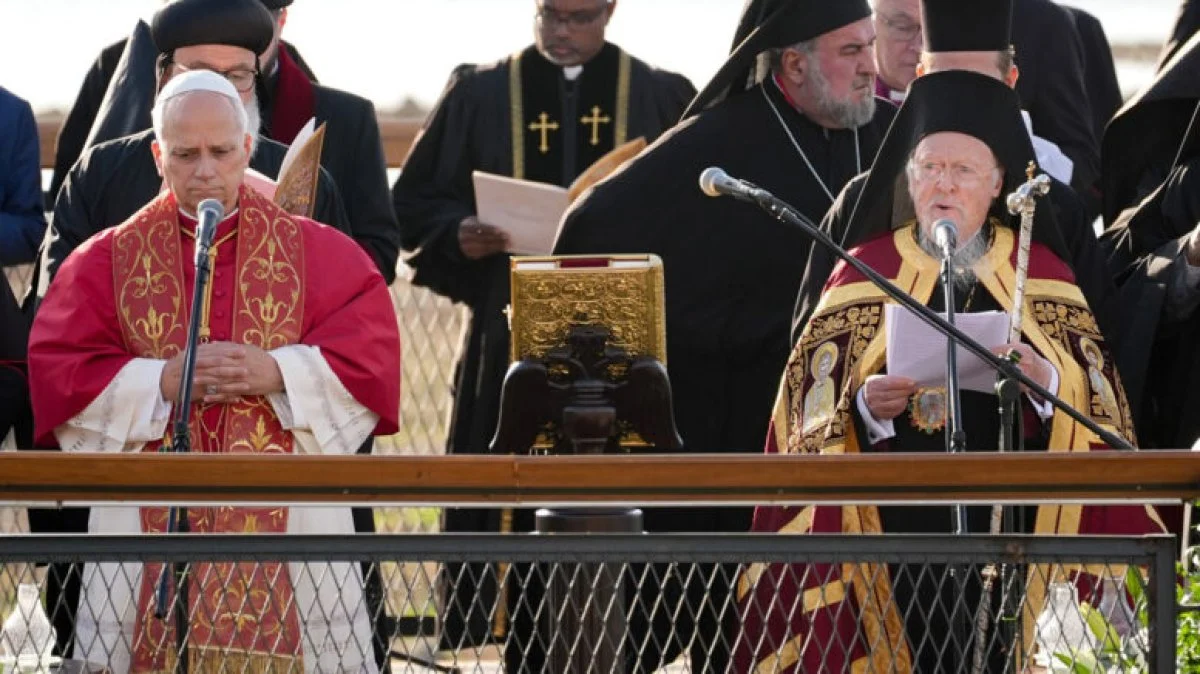
Although the ancient city of Nicaea lies in ruins and the geographic centre of Christianity has shifted West, Pope Leo XIV and Christian leaders gathered at an archaeological site in Türkiye to celebrate the enduring faith set out in the Nicene Creed.
Orthodox Ecumenical Patriarch Bartholomew of Constantinople hosted the ecumenical prayer service and the common recitation of the Creed Nov. 28 at Iznik, site of the ancient Nicaea, about 80 miles southeast of Istanbul.
… Read more » … lire la suite »
Posted: Nov. 29, 2025 • Permanent link: ecumenism.net/?p=14712
Categories: CNS • In this article: Bartholomew I, Nicaea, Nicene-Constantinopolitan Creed, Pope Leo XIV, Türkiye
Transmis : 29 nov. 2025 • Lien permanente : ecumenism.net/?p=14712
Catégorie : CNS • Dans cet article : Bartholomew I, Nicaea, Nicene-Constantinopolitan Creed, Pope Leo XIV, Türkiye
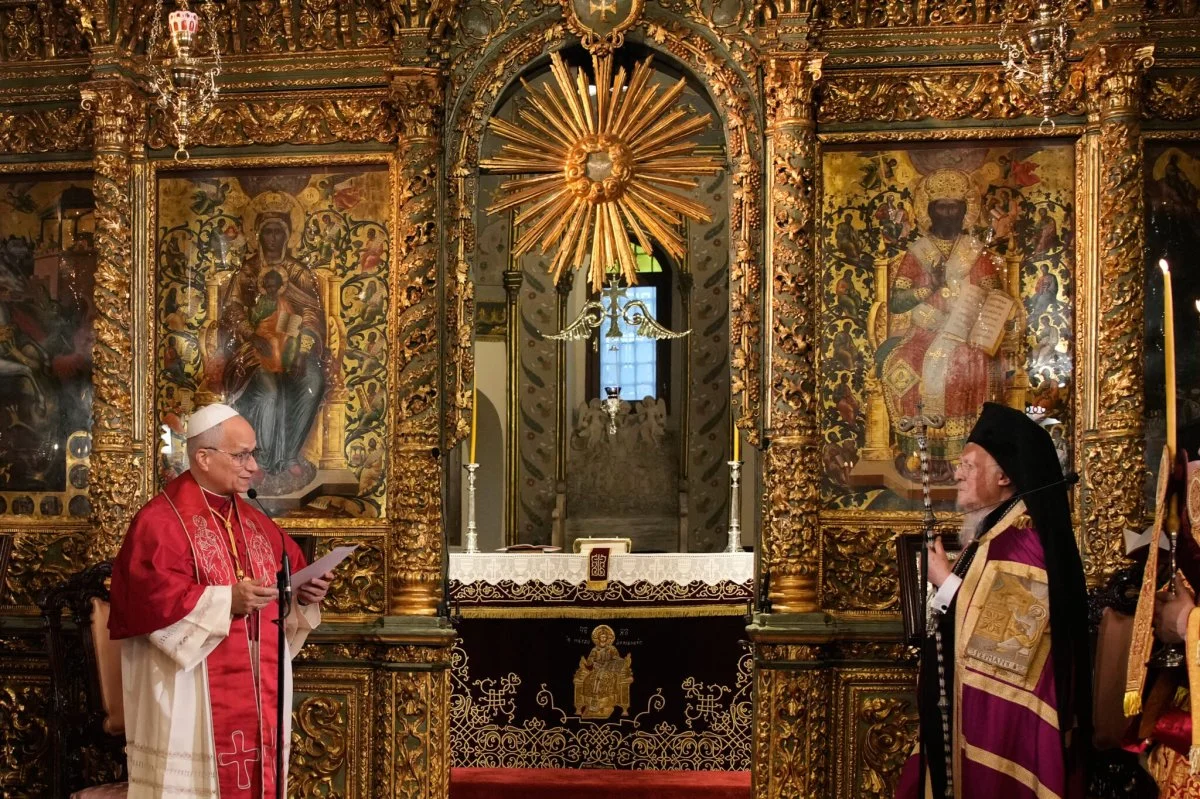
On the eve of the feast of Saint Andrew the First-called Apostle, brother of the Apostle Peter and patron of the Ecumenical Patriarchate, we, Pope Leo XIV and Ecumenical Patriarch Bartholomew, give heartfelt thanks to God, our merciful Father, for the gift of this fraternal meeting. Following the example of our venerable predecessors, and heeding the will of our Lord Jesus Christ, we continue to walk with firm determination on the path of dialogue, in love and truth (cf. Eph 4:15), towards the hoped-for restoration of full communion between our sister Churches. Aware that Christian unity is not merely the result of human efforts, but a gift that comes from on high, we invite all the members of our Churches – clergy, monastics, consecrated persons, and the lay faithful – earnestly to seek the fulfilment of the prayer that Jesus Christ addressed to the Father: “that they may all be one, even as you, Father, are in me, and I in you… so that the world may believe” (Jn 17:21).
… Read more » … lire la suite »
Posted: Nov. 29, 2025 • Permanent link: ecumenism.net/?p=14710
Categories: Documents, News • In this article: Bartholomew I, Catholic, declarations, Eastern Orthodox, Pope Leo XIV, Türkiye
Transmis : 29 nov. 2025 • Lien permanente : ecumenism.net/?p=14710
Catégorie : Documents, News • Dans cet article : Bartholomew I, Catholic, declarations, Eastern Orthodox, Pope Leo XIV, Türkiye
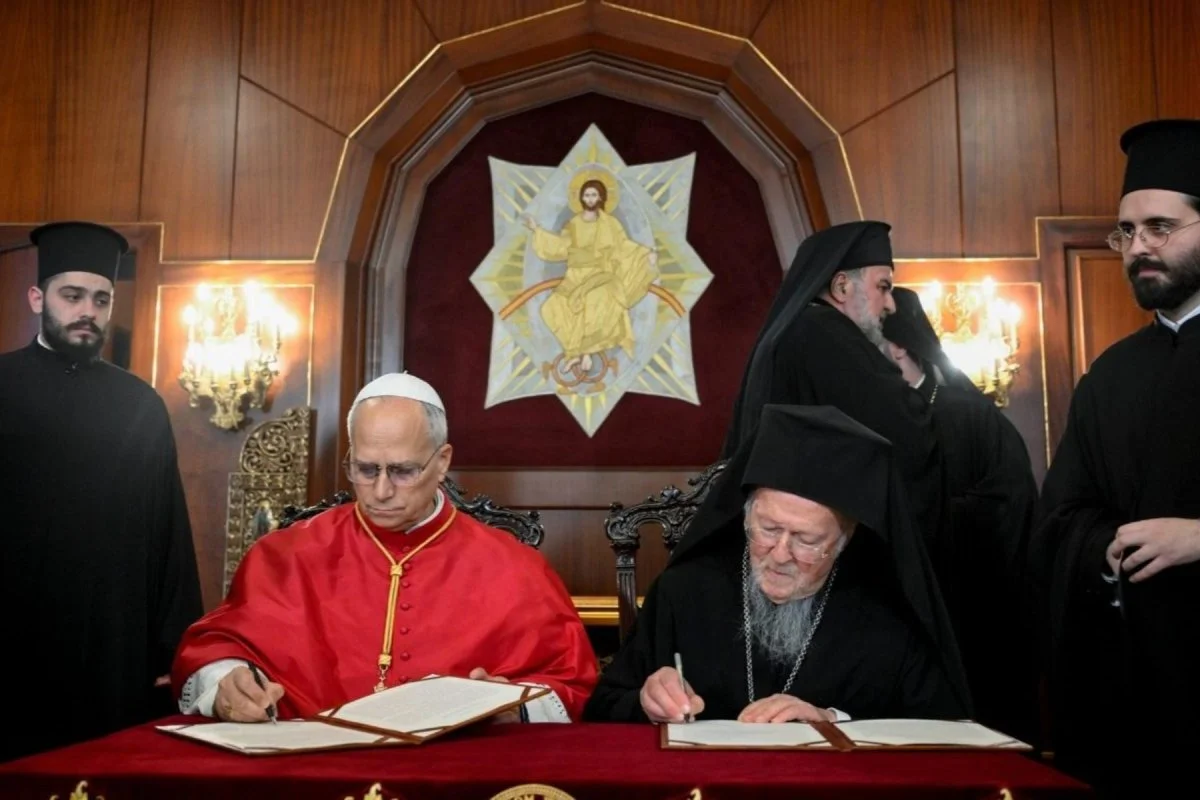
Pope Leo XIV and Ecumenical Patriarch Bartholomew of Constantinople met at the patriarchal seat in the ancient Phanar quarter on Saturday (Nov. 29) to sign a joint declaration affirming their commitment to achieving communion between the two churches.
“We continue to walk with firm determination on the path of dialogue, in love and truth, towards the hoped-for restoration of full communion between our sister Churches,” the declaration read.
… Read more » … lire la suite »
Posted: Nov. 29, 2025 • Permanent link: ecumenism.net/?p=14708
Categories: Documents, RNS • In this article: Bartholomew I, Catholic, declarations, Eastern Orthodox, Pope Leo XIV, Türkiye
Transmis : 29 nov. 2025 • Lien permanente : ecumenism.net/?p=14708
Catégorie : Documents, RNS • Dans cet article : Bartholomew I, Catholic, declarations, Eastern Orthodox, Pope Leo XIV, Türkiye
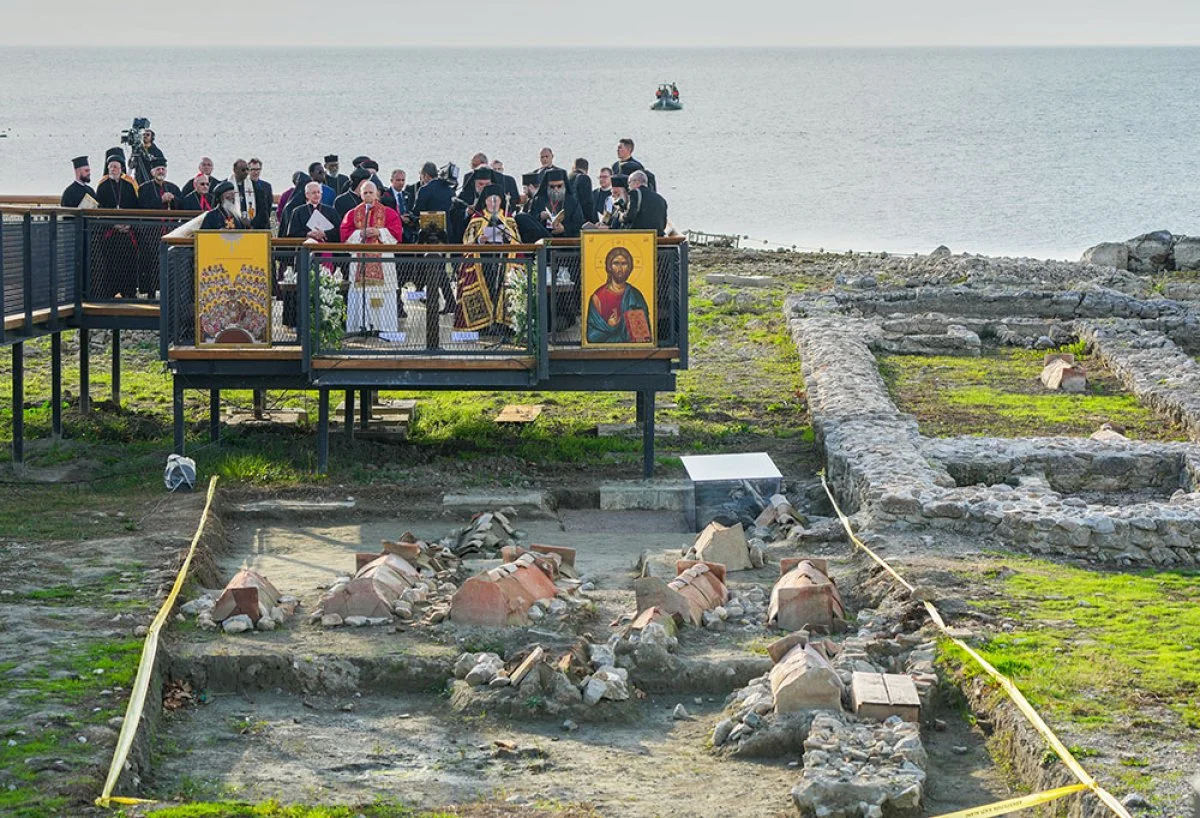
Seventeen centuries after bishops from East and West convened in Nicaea to craft the creed that defined Christianity, Pope Leo XIV returned to the ancient site with an appeal to “overcome the scandal of the divisions” that continue to fracture Christians today.
Marking the 1,700th anniversary of the Council of Nicaea — the centrepiece of his trip to Türkiye and Lebanon — the pope called on Christians the world over “to nurture the desire for unity for which the Lord Jesus prayed and gave his life.”
On his second day in Türkiye, he prayed alongside Ecumenical Patriarch Bartholomew, the spiritual leader of the world’s 300 million Orthodox Christians, on the shore of Lake Iznik — where the council that established a common creed for Christians convened 1,700 years ago.
… Read more » … lire la suite »
Posted: Nov. 28, 2025 • Permanent link: ecumenism.net/?p=14706
Categories: NCR • In this article: Islam, Nicaea, Pope Leo XIV, Türkiye
Transmis : 28 nov. 2025 • Lien permanente : ecumenism.net/?p=14706
Catégorie : NCR • Dans cet article : Islam, Nicaea, Pope Leo XIV, Türkiye
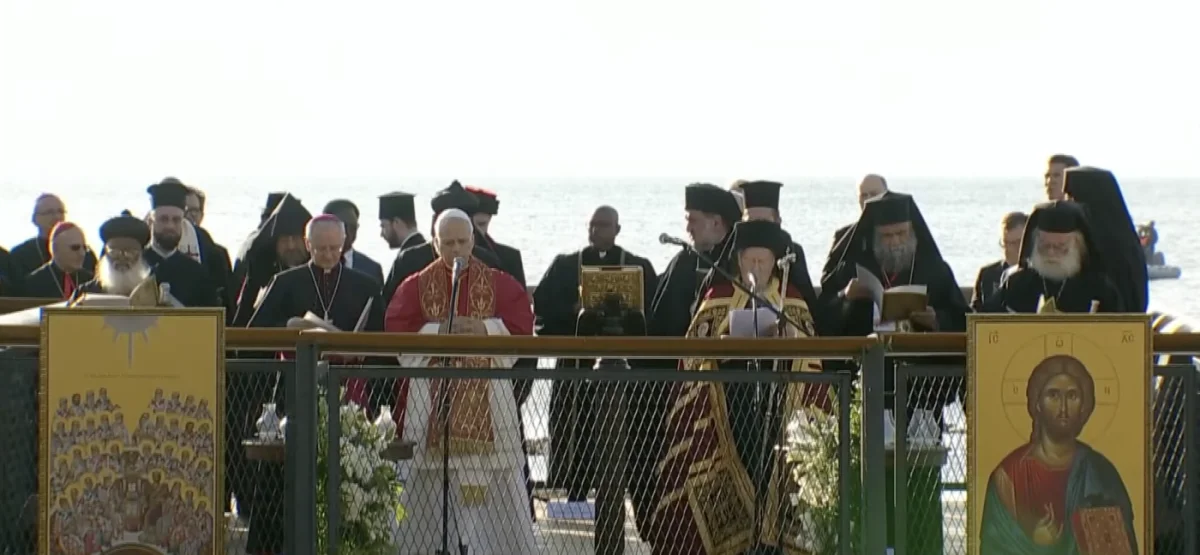
In an historic commemoration of the 1700th anniversary of the First Ecumenical Council, faith leaders gathered in Nicaea—modern-day Iznik, Türkiye – on 28 November to mark the 1700th anniversary of the First Ecumenical Council in the history of the church.
World Council of Churches (WCC) general secretary Rev. Prof. Dr Jerry Pillay joined His All Holiness Patriarch Bartholomew and Pope Leo XIV for an ecumenical prayer service.
… Read more » … lire la suite »
Posted: Nov. 28, 2025 • Permanent link: ecumenism.net/?p=14704
Categories: WCC News • In this article: Bartholomew I, Jerry Pillay, Nicaea, Nicene-Constantinopolitan Creed, Pope Leo XIV, Türkiye
Transmis : 28 nov. 2025 • Lien permanente : ecumenism.net/?p=14704
Catégorie : WCC News • Dans cet article : Bartholomew I, Jerry Pillay, Nicaea, Nicene-Constantinopolitan Creed, Pope Leo XIV, Türkiye

At the heart of Pope Leo XIV’s journey to Türkiye this weekend will be a pilgrimage to Iznik, a small city about 140 km south of Istanbul. Iznik is better known to Church history by its Greek name, Nicaea. That’s where, 1700 years ago, the First Ecumenical Council was held. This Friday, Pope Leo is gathering with Ecumenical Patriarch Bartholomew I and other Christian leaders for an ecumenical prayer service to celebrate the landmark anniversary.
… Read more » … lire la suite »
Posted: Nov. 27, 2025 • Permanent link: ecumenism.net/?p=14702
Categories: News, Opinion • In this article: Bartholomew I, Nicaea, Nicene-Constantinopolitan Creed, Pope Leo XIV
Transmis : 27 nov. 2025 • Lien permanente : ecumenism.net/?p=14702
Catégorie : News, Opinion • Dans cet article : Bartholomew I, Nicaea, Nicene-Constantinopolitan Creed, Pope Leo XIV

The fourth session of the current series of Informal Conversations between the Salvation Army and the Catholic Church took place at Casa La Salle, Rome, from 21 to 24 November 2025. Following the first set of conversations from 2007 to 2012, the general theme for the current series of conversations is Discipleship for Mission. The previous meeting in the current series took place at Sunbury Court near London in November 2024.
… Read more » … lire la suite »
Posted: Nov. 27, 2025 • Permanent link: ecumenism.net/?p=14700
Categories: News • In this article: dialogue, Dicastery for Promoting Christian Unity, Salvation Army
Transmis : 27 nov. 2025 • Lien permanente : ecumenism.net/?p=14700
Catégorie : News • Dans cet article : dialogue, Dicastery for Promoting Christian Unity, Salvation Army
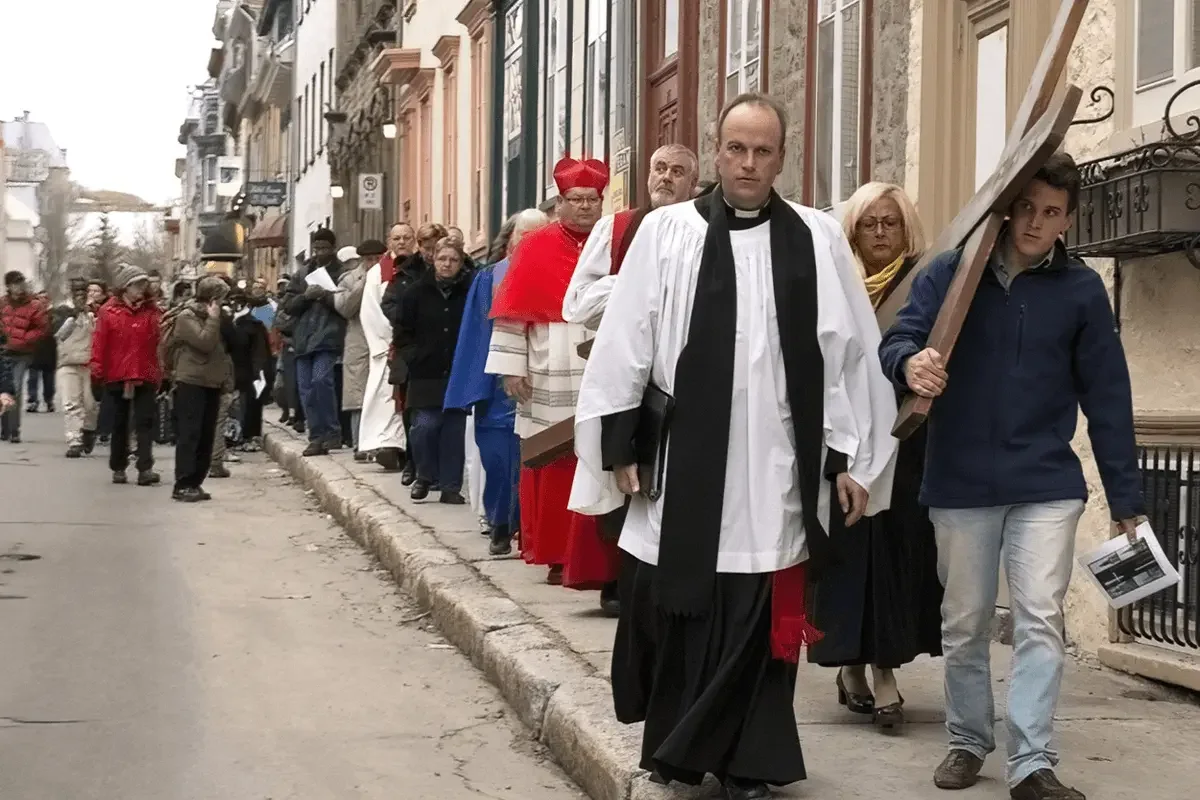
The Quebec government will be expanding its secularism rules across public institutions in a new bill that is expected to be tabled Thursday.
Various media outlets in the province confirmed the contents of the new bill, which includes a ban on prayer rooms in universities and CEGEPs, restricting the offering of religious-based meals and banning religious symbols in communications by public institutions.
… Read more » … lire la suite »
Posted: Nov. 25, 2025 • Permanent link: ecumenism.net/?p=14698
Categories: Catholic Register • In this article: Québec, religious freedom, secularism
Transmis : 25 nov. 2025 • Lien permanente : ecumenism.net/?p=14698
Catégorie : Catholic Register • Dans cet article : Québec, religious freedom, secularism
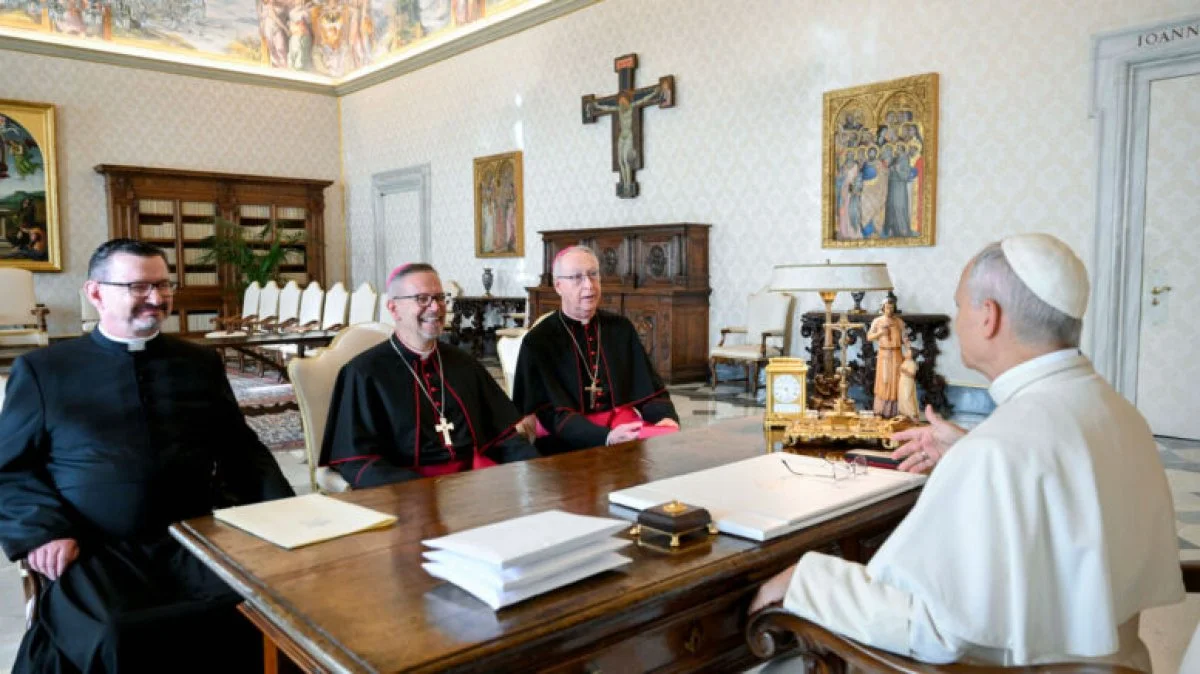
The return of 62 Indigenous artifacts to the Canadian bishops, held at the Vatican for more than 100 years, is “a milestone in the long journey of reconciliation and healing,” said Archbishop Richard Smith of Vancouver.
In an interview with America Magazine, the archbishop underlined that the repatriation occurred during the Jubilee of Hope.
… Read more » … lire la suite »
Posted: Nov. 25, 2025 • Permanent link: ecumenism.net/?p=14696
Categories: News • In this article: CCCB, Indigenous peoples, Pope Leo XIV, Reconciliation
Transmis : 25 nov. 2025 • Lien permanente : ecumenism.net/?p=14696
Catégorie : News • Dans cet article : CCCB, Indigenous peoples, Pope Leo XIV, Reconciliation

The foundation of sacramental marriage is the unity of the spouses, a bond so intense and grace-filled that it is exclusive and indissoluble, said a document from the Dicastery for the Doctrine of the Faith.
The document, “‘Una Caro’ (One Flesh): In Praise of Monogamy. Doctrinal Note on the Value of Marriage as an Exclusive Union and Mutual Belonging,” was released today […] by the Vatican. Pope Leo XIV approved its contents Nov. 21 and authorized its publication.
… Read more » … lire la suite »
Posted: Nov. 25, 2025 • Permanent link: ecumenism.net/?p=14694
Categories: CNS • In this article: Dicastery for the Doctrine of the Faith, marriage, polyamory, polygamy
Transmis : 25 nov. 2025 • Lien permanente : ecumenism.net/?p=14694
Catégorie : CNS • Dans cet article : Dicastery for the Doctrine of the Faith, marriage, polyamory, polygamy
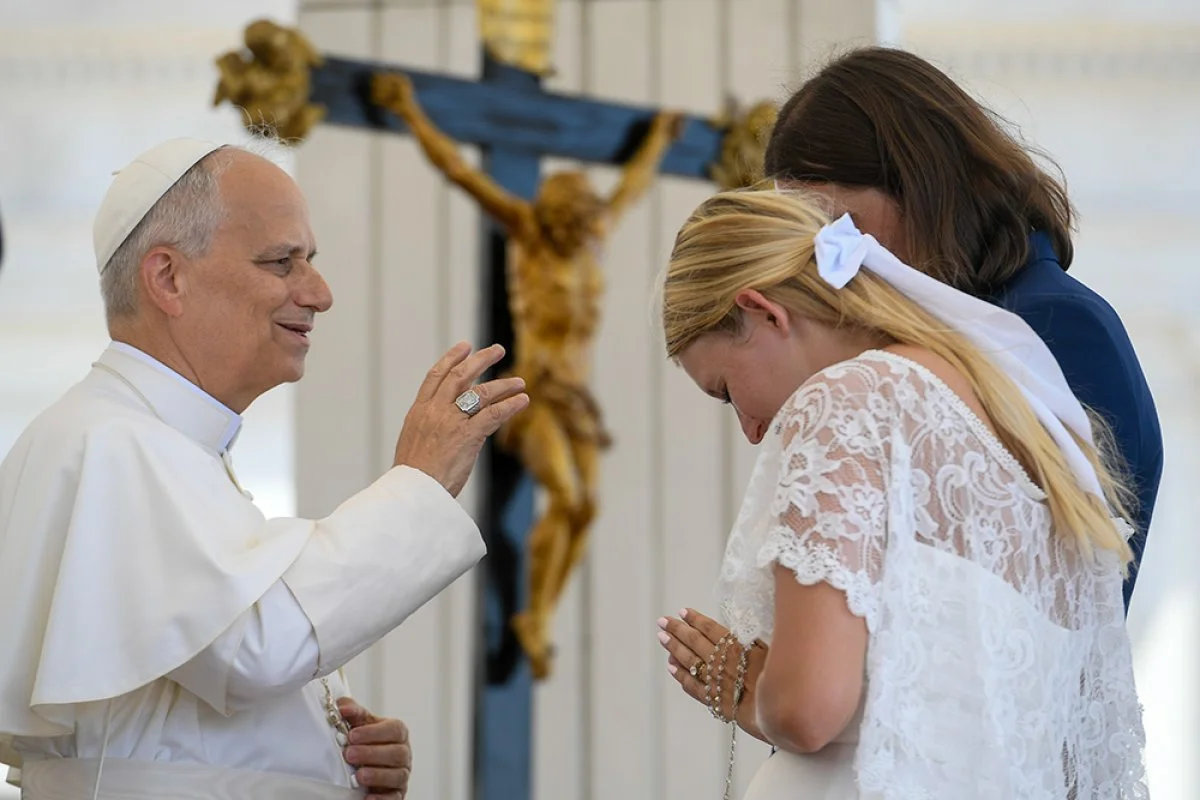
Responding to recent questions raised by African bishops concerned about the practice of polygamy, the Vatican issued a sweeping defence of monogamy Tuesday, Nov. 25.
The 40-page doctrinal note “Una Caro (One Flesh): In Praise of Monogamy: Doctrinal Note on the Value of Marriage as an Exclusive Union and Mutual Belonging,” was issued […] by the Vatican’s Dicastery for the Doctrine of the Faith. It offers a far-reaching theological, biblical, and cultural reflection on the Catholic Church’s teaching that marriage is a “unique and exclusive” union between one man and one woman.
… Read more » … lire la suite »
Posted: Nov. 25, 2025 • Permanent link: ecumenism.net/?p=14692
Categories: NCR • In this article: Dicastery for the Doctrine of the Faith, marriage, polygamy, Victor Manuel Fernández
Transmis : 25 nov. 2025 • Lien permanente : ecumenism.net/?p=14692
Catégorie : NCR • Dans cet article : Dicastery for the Doctrine of the Faith, marriage, polygamy, Victor Manuel Fernández
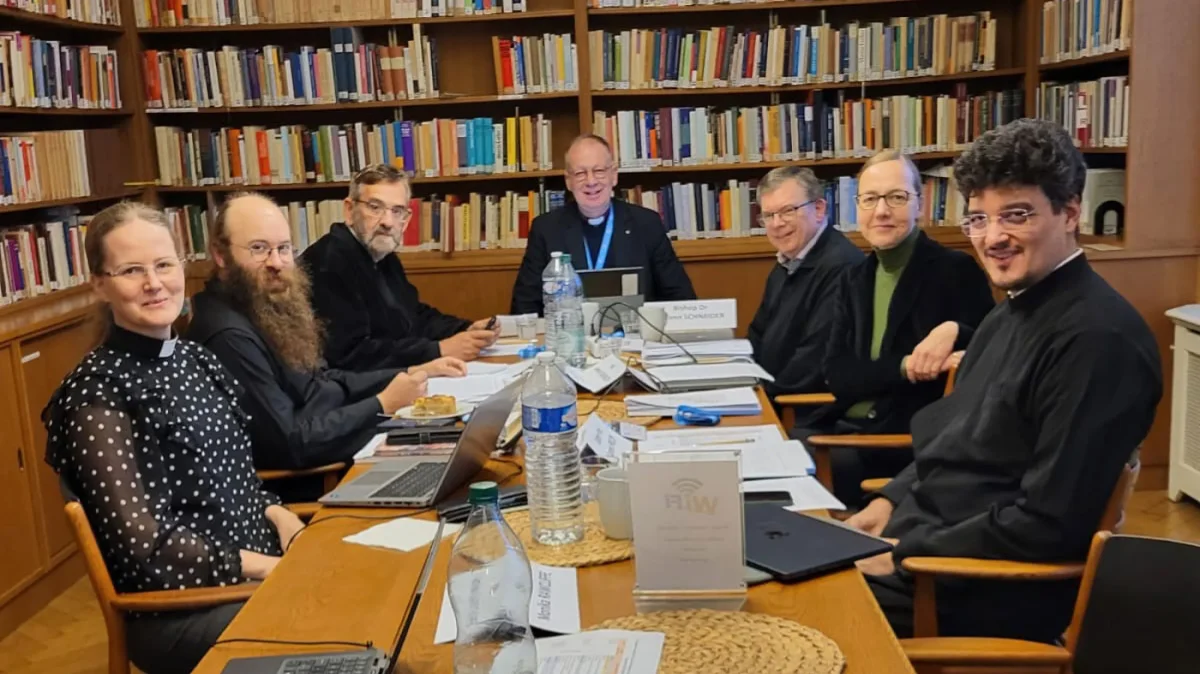
Members of the International Lutheran Orthodox Commission on Theological Dialogue met at the Strasbourg Institute for Ecumenical Research last week to continue their reflections on the topics of ‘Synodality and Primacy’, examining the way that authority and decision making has been exercised in the church over the centuries.
The second preparatory meeting of the 19th Session of the Commission took place from 16 to 18 November, chaired by Bishop Johann Schneider of the Evangelical Church in Central Germany and by Metropolitan Kyrillos of Krini from the Ecumenical Patriarchate. It follows on from a plenary meeting hosted by the Orthodox Church in Cyprus in May this year.
… Read more » … lire la suite »
Posted: Nov. 24, 2025 • Permanent link: ecumenism.net/?p=14690
Categories: Lutheran World Information • In this article: dialogue, Eastern Orthodox, Lutheran World Federation, primacy, synodality
Transmis : 24 nov. 2025 • Lien permanente : ecumenism.net/?p=14690
Catégorie : Lutheran World Information • Dans cet article : dialogue, Eastern Orthodox, Lutheran World Federation, primacy, synodality
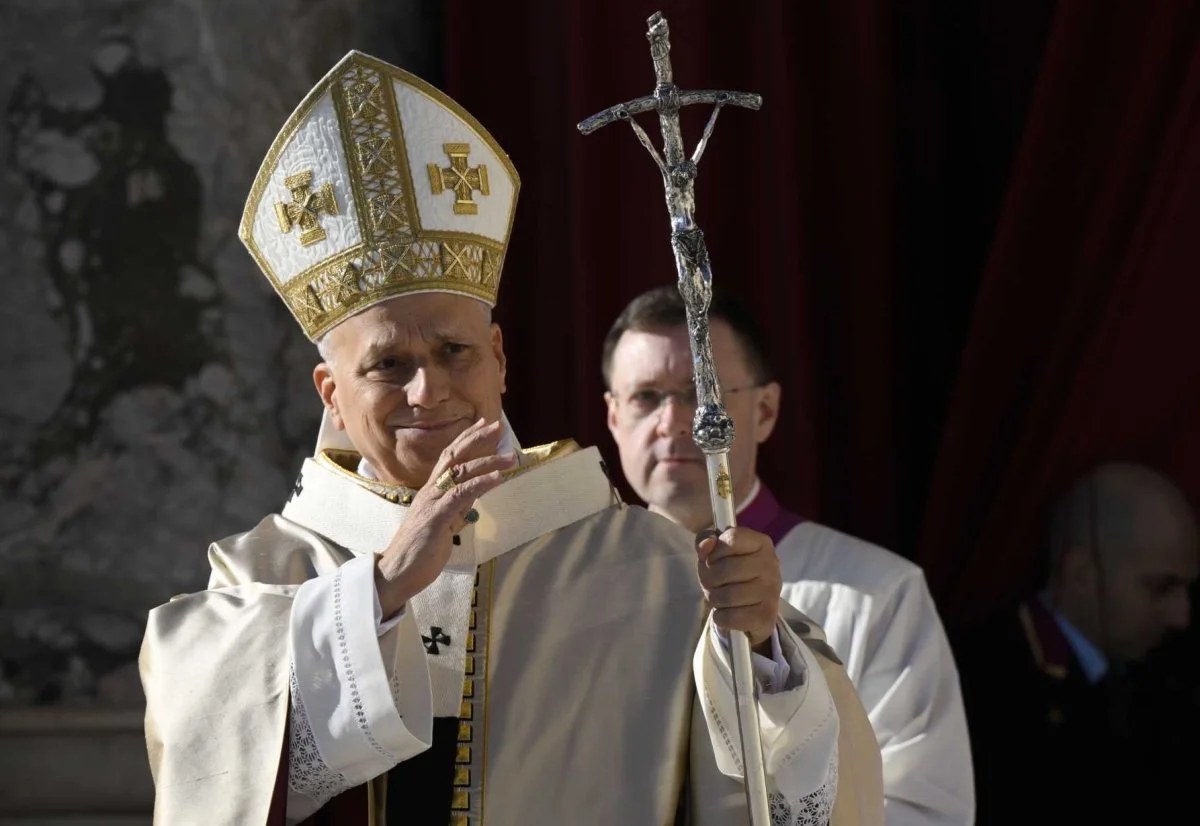
When Christians recite the Creed, it should prompt an examination of conscience about what they truly believe and what kind of example of faith in God they give to others, Pope Leo XIV wrote.
“Wars have been fought, and people have been killed, persecuted and discriminated against in the name of God,” he wrote. “Instead of proclaiming a merciful God, a vengeful God has been presented who instills terror and punishes.”
… Read more » … lire la suite »
Posted: Nov. 23, 2025 • Permanent link: ecumenism.net/?p=14688
Categories: CNS • In this article: Nicaea, Nicene-Constantinopolitan Creed, Pope Leo XIV
Transmis : 23 nov. 2025 • Lien permanente : ecumenism.net/?p=14688
Catégorie : CNS • Dans cet article : Nicaea, Nicene-Constantinopolitan Creed, Pope Leo XIV