- Français
- |
- Booklist
- |
- Week of Prayer
- |
- Links
- Areopagus - a forum for dialogue
- Academic journals
- Acronyms
- Bible tools
- Bibliographies
- Booksellers and publishers
- Churches
- Canadian church headquarters
- Directory of Saskatchewan churches
- Retreat centres
- Saskatchewan church and non-profit agencies
- Ecumenism.net Denominational links
- Anabaptist & Mennonite
- Anglican
- Baptist
- Evangelical
- Independent episcopal
- Lutheran
- Methodist, Wesleyan, and Holiness
- Miscellaneous
- Mormon
- Orthodox (Eastern & Oriental)
- Para-church ministries
- Pentecostal / charismatic
- Presbyterian & Reformed
- Quaker (Society of Friends)
- Roman & Eastern Catholic
- United and uniting
- Documents of Ecumenical Interest
- Ecumenical agencies
- Ecumenical Booklist
- Ecumenical Dialogues
- Glossary
- Human rights
- Inter-religious links
- Justice & peace
- Lectionaries
- Religious news services
- Resource pages
- Search Ecumenism.Net
- |
- Documents
- Ancient & Medieval texts
- Ecumenical Dialogues
- Interreligious
- Anabaptist & Mennonite
- Anglican
- Evangelical
- Lutheran
- Orthodox
- Reformed & Presbyterian
- Roman & Eastern Catholic
- United & Uniting
- Miscellaneous churches
- Canadian Council of Churches (CCC)
- Conference of European Churches (CEC)
- Interchurch Families International Network (IFIN)
- National Council of Churches in Australia (NCCA)
- Lausanne Committee for World Evangelism (LCWE)
- World Council of Churches (WCC)
- Other ecumenical documents
Church traditions
Documents from ecumenical agencies
- |
- Dialogues
- Adventist-Reformed
- African Instituted Churches-Reformed
- Anglican-Lutheran
- Anglican-Orthodox
- Anglican-Reformed
- Anglican-Roman Catholic
- Anglican-United/Uniting
- Baptist-Reformed
- Disciples of Christ-Reformed
- Disciples of Christ-Roman Catholic
- Evangelical-Roman Catholic
- Lutheran-Mennonite
- Lutheran-Mennonite-Roman Catholic
- Lutheran-Reformed
- Lutheran-Roman Catholic
- Mennonite-Reformed
- Mennonite-Roman Catholic
- Methodist-Reformed
- Methodist-Roman Catholic
- Oriental Orthodox-Reformed
- Orthodox-Reformed
- Orthodox-Roman Catholic
- Pentecostal-Reformed
- Prague Consultations
- REC-WARC Consultations
- Roman Catholic-Lutheran-Reformed
- Roman Catholic-Reformed
- Roman Catholic-United Church of Canada
- |
- Quick links
- Canadian Centre for Ecumenism
- Canadian Council of Churches
- Ecumenical Shared Ministries
- Ecumenism in Canada
- Interchurch Families International Network
- International Anglican-Roman Catholic Commission for Unity and Mission
- Kairos: Canadian Ecumenical Justice Initiatives
- North American Academy of Ecumenists
- Prairie Centre for Ecumenism
- Réseau œcuménique justice et paix
- Week of Prayer for Christian Unity
- Women's Interchurch Council of Canada
- World Council of Churches
- |
- Archives
- |
- About us



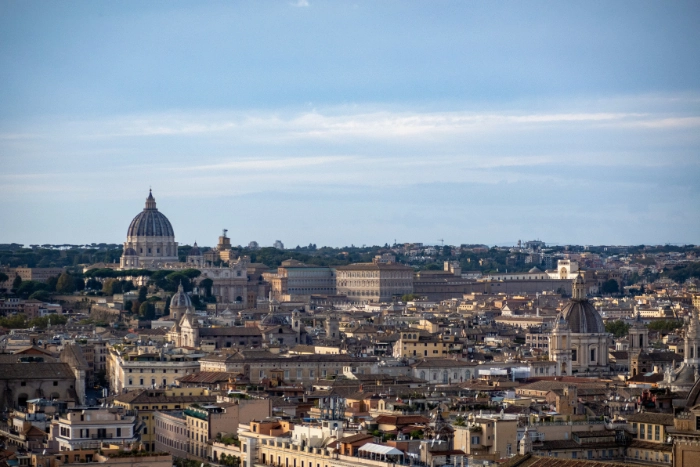
The skyline of Rome from the south of Vatican City with the dome of St. Peter's Basilica on the left and the Apostolic Palace in the centre. Credit: Neil Turner/ACO
Senior archbishops, presiding bishops, and moderators of the churches of the Anglican Communion will meet in Rome for the 2024 Primates’ Meeting (April 29-May 3). Conceived as a pilgrimage, they will pray and study Scripture together, visit holy sites in Rome, and reflect together about the mission and witness of the Church in the world.
In the first gathering of Anglican Primates to be held in Rome, the Primates’ programme will include a meeting with Pope Francis and conversation with Cardinal Grech about the meaning and promise of synodality for the whole Church.
The city of Rome is full of historical and spiritual significance for the whole Christian world. Pope Gregory the Great sent Augustine of Canterbury on mission to England in 597. Especially since the Second Vatican Council (1962-1965), Rome has been a centre of inter-Christian encounter and ecumenical research.
In and around their meeting, the primates will undertake a pilgrimage in the city, visiting both St Peter’s Basilica and the Basilica of Saint Paul Outside the Walls (where St Paul the Apostle is buried), besides visits to Tre Fontane, Santa Maria in Trastevere, and the Community of Sant’Egidio.
The primates will be hosted by Archbishop Ian Ernest, the Director of the Anglican Centre in Rome. The primates were due to meet in Rome in 2020, but the meeting was postponed due to the COVID-19 pandemic.
The Primates’ Meeting is one of the ‘Instruments’ of the Anglican Communion, that works for unity amongst Anglican churches globally. The other instruments are The Anglican Consultative Council, The Lambeth Conference and The Archbishop of Canterbury.
The Primates’ Meeting agenda is developed by the regional primates of the Communion who serve on the Primates’ Standing Committee. The agenda will be finalised by common consent at the start of the meeting. Topics will include prayerful conversation about areas of conflict in the world and regional meetings to discuss issues of local concern.
The primates will also be asked to engage and respond to a paper by the Inter-Anglican Standing Commission on Unity, Faith and Order (IASCUFO), commissioned by the Anglican Consultative Council (ACC) in 2023. The paper looks at structure and decision-making in the Anglican Communion and offers proposals to help address difference and disagreement in the Anglican Communion. IASCUFO reports to all four Instruments of the Anglican Communion and will carry its paper to the next meeting of the ACC in 2026.
Speaking about the 2024 Primates’ Meeting Justin Welby, the Archbishop of Canterbury, said: “The Primates’ Meeting is an important time of pilgrimage and fellowship. Together, we will discuss common priorities and challenges in the global mission and shared life of the Anglican Communion. The Primates serve churches and communities around the world. Many come from settings where people are directly impacted by the instability of conflict, the challenge of climate crisis and the injustice of poverty. Together, we will pray for the needs of people and planet, the unity of God’s Church and the witness of the Anglican Communion.”
Archbishop Ian Ernest from the Anglican Centre in Rome, said: “The Anglican Centre in Rome seeks to be a living reality of the Communion’s commitment to Church unity, working collaboratively with all Christians for justice and peace in the world. We are looking forward to welcoming Anglican primates to the centre for prayer, pilgrimage, and conversation.”
As secretariat to the Anglican Communion, staff from the Anglican Communion Office in London will support the Primates’ Meeting.
Bishop Anthony Poggo, The Secretary General of the Anglican Communion said: “At the Anglican Communion Office, we pray for all the primates of the Anglican Communion. We give thanks for the collaboration of the Anglican Centre in Rome and our sisters and brothers at the Vatican, who have worked so hard to support this important meeting.”
It will be the first Primates’ Meeting for seven of the Primates.
Since its establishment in 1978 by then-Archbishop of Canterbury Donald Coggan, the Primates’ Meeting has coordinated closely with both the Anglican Consultative Council and the Lambeth Conference.
 Posted: Apr. 24, 2024 •
  Permanent link: ecumenism.net/?p=14295
Categories: ACNS • In this article: Anglican Communion, Primates Meeting, Rome, synodality
Transmis : 24 avril 2024 • Lien permanente : ecumenism.net/?p=14295
Catégorie : ACNS • Dans cet article : Anglican Communion, Primates Meeting, Rome, synodality
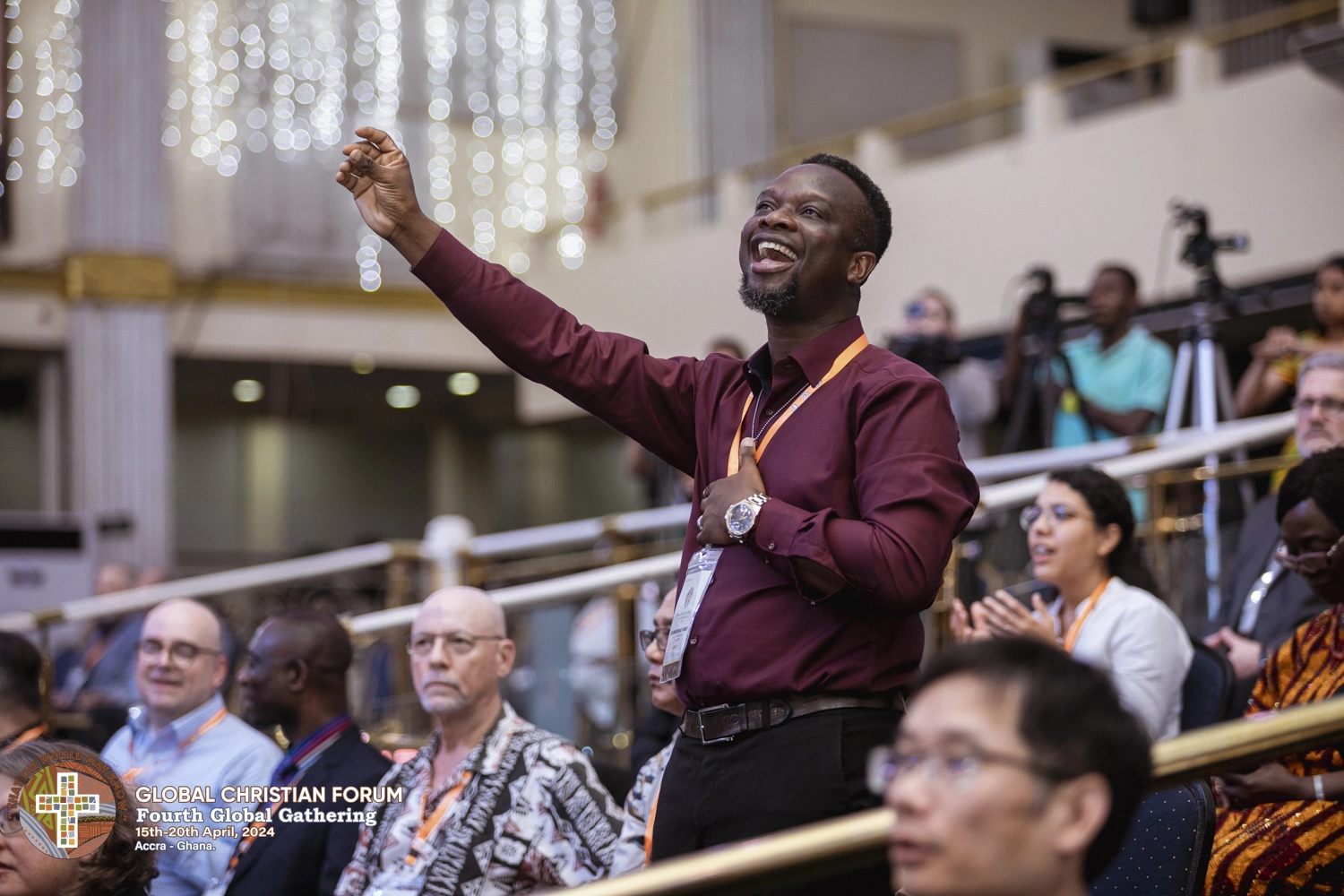
Message of the Fourth Global Gathering of the Global Christian Forum
— Apr. 20, 202420 avril 2024
The rain came with a cool breeze, driving away the humid heat through the open windows of the church. An auspicious blessing from God! So began the collective story of the 4th Global Gathering of the Global Christian Forum in Ghana, a country where Christianity is vibrant and thriving. An outpouring of hospitality and generosity characterised our time together from 16-19 April, 2024.
The very first youth gathering in GCF’s history preceded the main Forum from 13-15 April. The diversity and vision of the young adults gave energy to their own conversations about justice, hope, and reconciliation.
This is the 25th Anniversary of the Global Christian Forum, something we celebrated joyfully. Throughout its existence, the GCF has been a unique space for all major streams of Christianity to be together for encounter and prayer. It is the broadest expression of Christian faith and one that reflects the movement of the majority of churches from the global north to the global south.
… Read more » … lire la suite »
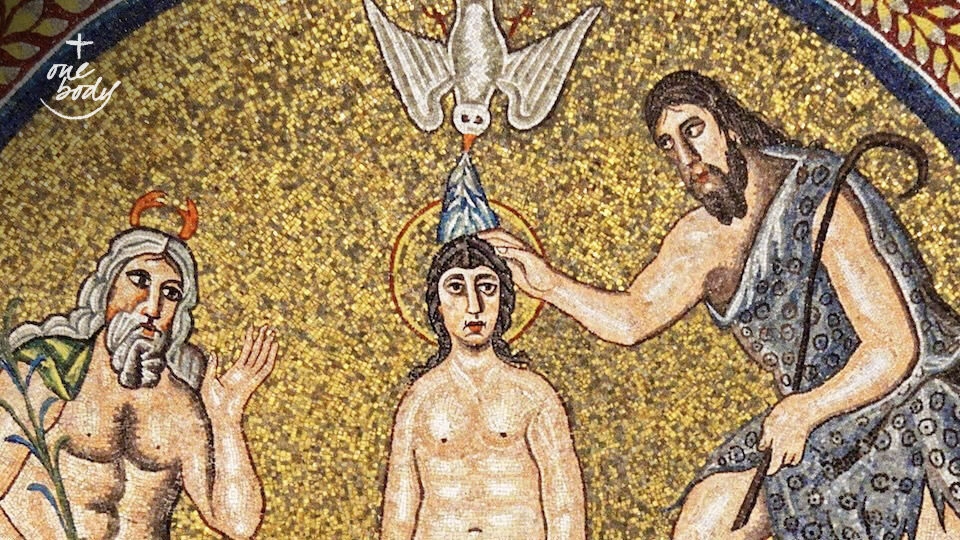
Baptism in Ecumenical Dialogue: Questions about the Trinitarian Formula
— Apr. 12, 202412 avril 2024
With our recent celebration of the Easter Vigil in mind, it’s a good time to reflect on the ecumenical significance of baptism and offer a brief review of some of the dialogues that have taken place on this topic. From a Catholic perspective, the ecumenical significance of baptism is clearly affirmed in Vatican II’s Decree on Ecumenism, which states that: “all who have been justified by faith in baptism are incorporated into Christ; they therefore have a right to be called Christians, and with good reason are accepted as brothers [and sisters] by the children of the Catholic Church” (#3).
… Read more » … lire la suite »
New Vatican document combines modern transparency with eternal teaching
— Apr. 11, 202411 avril 2024
Two things struck me while reading Dignitas Infinita or “Infinite Dignity,” the new declaration on surrogacy, gender and life from the Vatican released April 8 by the Dicastery for the Doctrine of the Faith.
For one, the document sets a new standard for transparency about how it was written, and, second, it goes to lengths to impress on its readers how long the church has taught on these topics.
The document, which applies church teaching to current threats to human dignity, makes clear that human dignity does not depend on wealth, intelligence, social status or abilities, but on the intrinsic worth of every human being.
… Read more » … lire la suite »
Anglican Primate Linda Nicholls announces plans to retire in September 2024
— Apr. 9, 20249 avril 2024
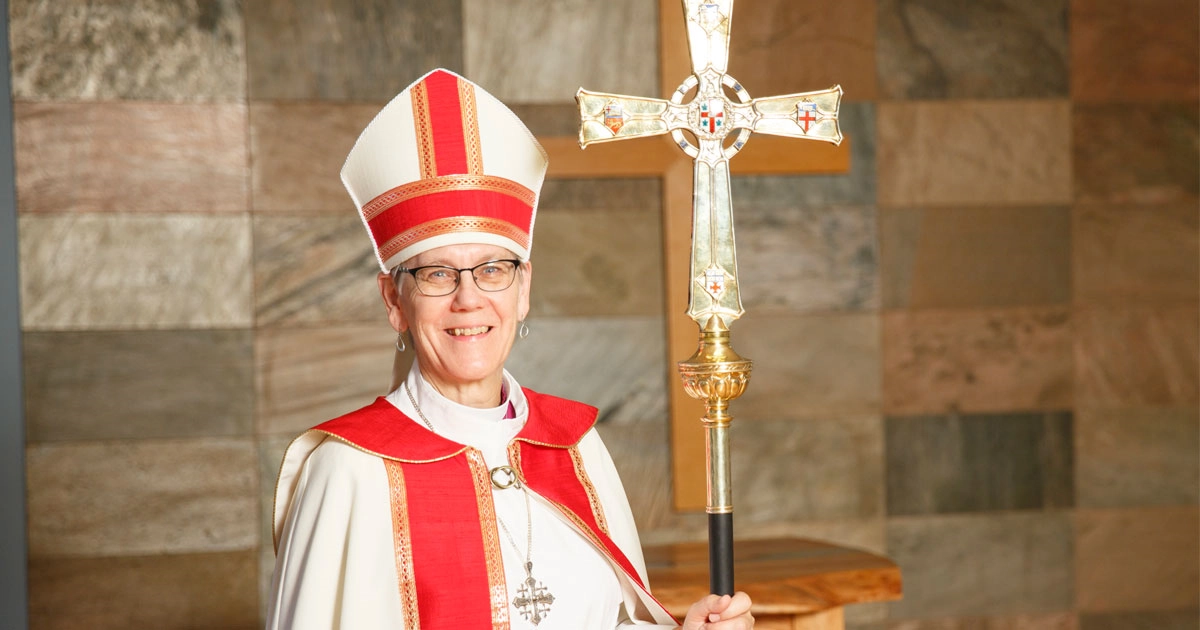
Archbishop Linda Nicholls, Primate of the Anglican Church of Canada, has announced that she will step down from her role on September 15, 2024.
The canons of the Anglican Church of Canada require primates to retire upon reaching their 70th birthday. Archbishop Nicholls will reach mandatory retirement age in October.
Archbishop Nicholls was elected as the 14th Primate of the Anglican Church of Canada on July 13, 2019. She was the first woman to hold the office in Canada and only the second in the Anglican Communion.
Prior to her election, she served as Bishop of Huron (2016-2019) and Area Bishop of Trent-Durham in the Diocese of Toronto (2008-2016). She was also Coordinator for Dialogue for Ethics, Interfaith Relations and Congregational Development at the Anglican Church of Canada’s national office. She spent almost twenty years as a parish priest in the Diocese of Toronto.
… Read more » … lire la suite »
Indigenous wisdom and science can work together to solve crises, pope says
— Mar. 14, 202414 mars 2024
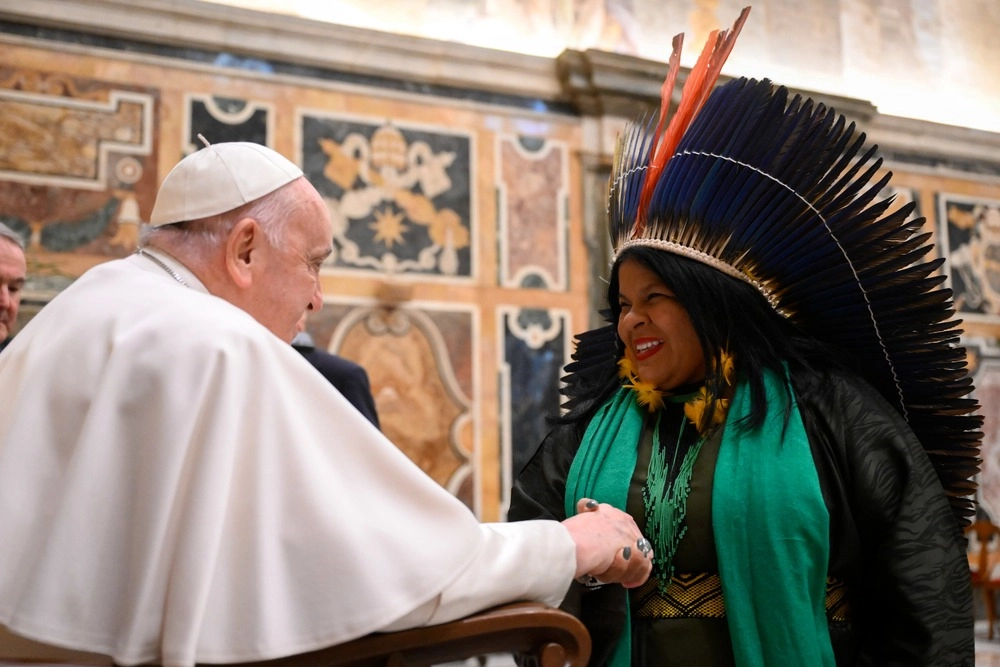
The world’s cultures, traditions, spiritualities and languages must be acknowledged, respected and protected, especially those of Indigenous peoples, Pope Francis said.
The entire patrimony of human knowledge “should be employed as a means of overcoming conflicts in a nonviolent manner and combating poverty and the new forms of slavery,” he said in remarks read by an aide March 14 to participants attending a workshop at the Vatican.
The Pontifical Academies of Sciences and of Social Sciences jointly sponsored a workshop March 14-15 on the knowledge of Indigenous peoples and the work and research being carried out in the sciences.
… Read more » … lire la suite »
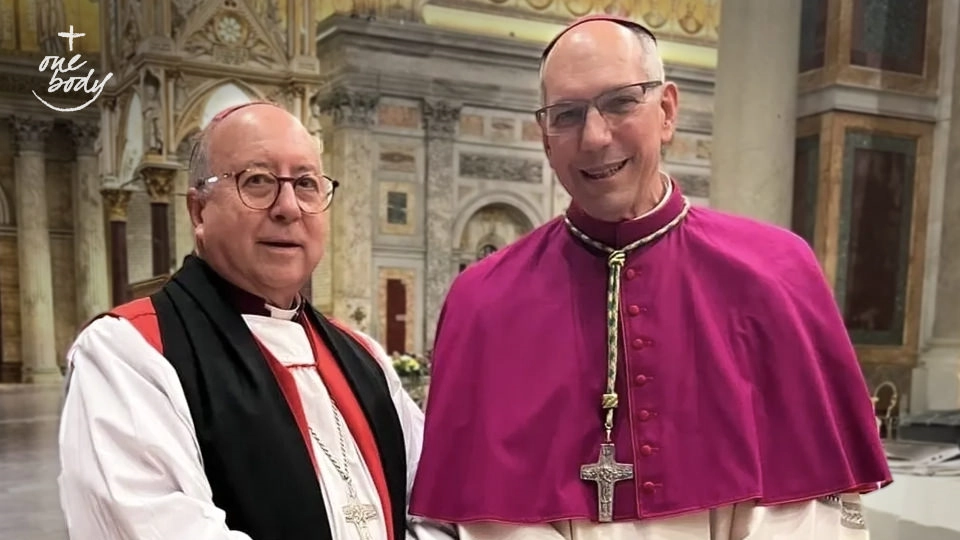
On recognition of ministries and the IARCCUM commissioning
— Mar. 14, 202414 mars 2024
On January 25, at the annual ecumenical service in Rome that marks the end of the Week of Prayer for Christian Unity, Pope Francis spontaneously invited Archbishop of Canterbury Justin Welby to offer remarks after Francis’ own homily. Archbishop Justin’s reflection constituted a second homily, though it was called a “discourse” in the Vatican media. Such an invitation had only been offered to Orthodox bishops in the past, so this marked a significant sign of welcome between two leaders who have become close collaborators in a number of projects. On previous occasions, Archbishop Justin and his predecessors had been invited to offer remarks at a later portion of the liturgy, but never immediately after the homily.
… Read more » … lire la suite »
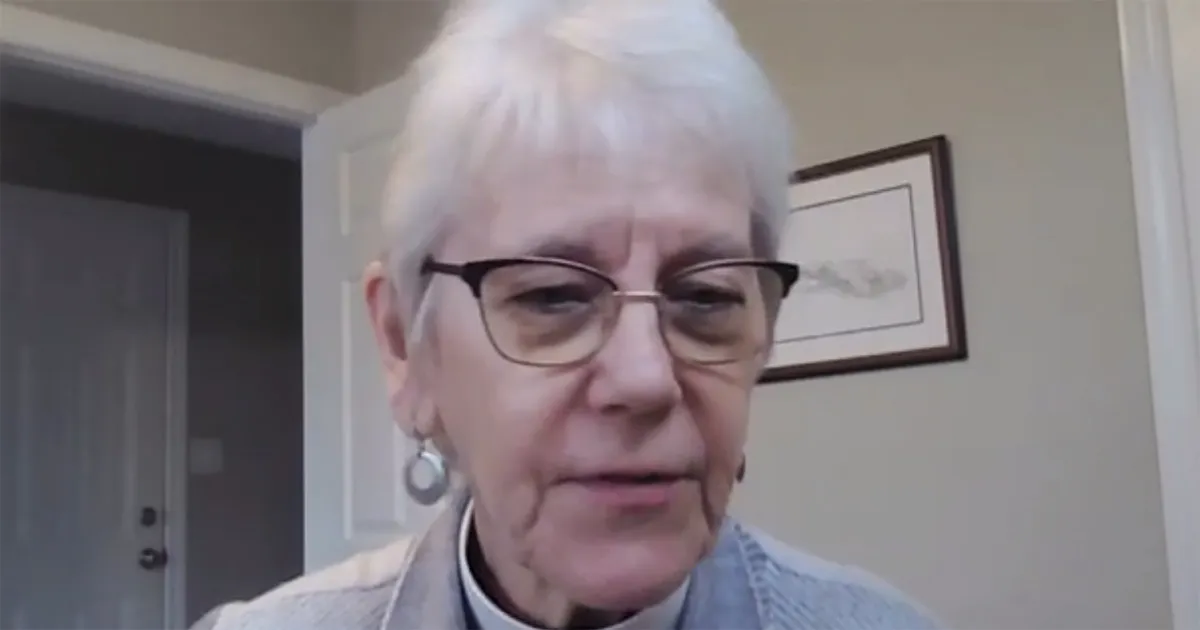
Anglican Council of General Synod expresses concerns on medical assistance in dying
— Mar. 13, 202413 mars 2024
The Anglican Church of Canada’s Council of General Synod (CoGS) has passed resolutions on the need for further discussion and education around medical assistance in dying (MAID), the formation of a discipleship and evangelism task force, and a review of the process by which ecclesiastical provinces elect CoGS representatives. General Synod last year referred all three resolutions to CoGS, which passed them at a March 9 online meeting held over Zoom.
Resolution C003, on MAID, reaffirmed “the teaching of Scripture that life is a divine gift, the call of the Baptismal Covenant to ‘respect the dignity of every human being,’ and the teaching of Jesus Christ that he has come so that people may have ‘abundant life’ (John 10:10).” It requested that Archbishop Linda Nicholls, primate of the Anglican Church of Canada, write to Canada’s minister of health expressing concerns about the expansion of the MAID program as well as the church’s support for a robust palliative care system.
… Read more » … lire la suite »
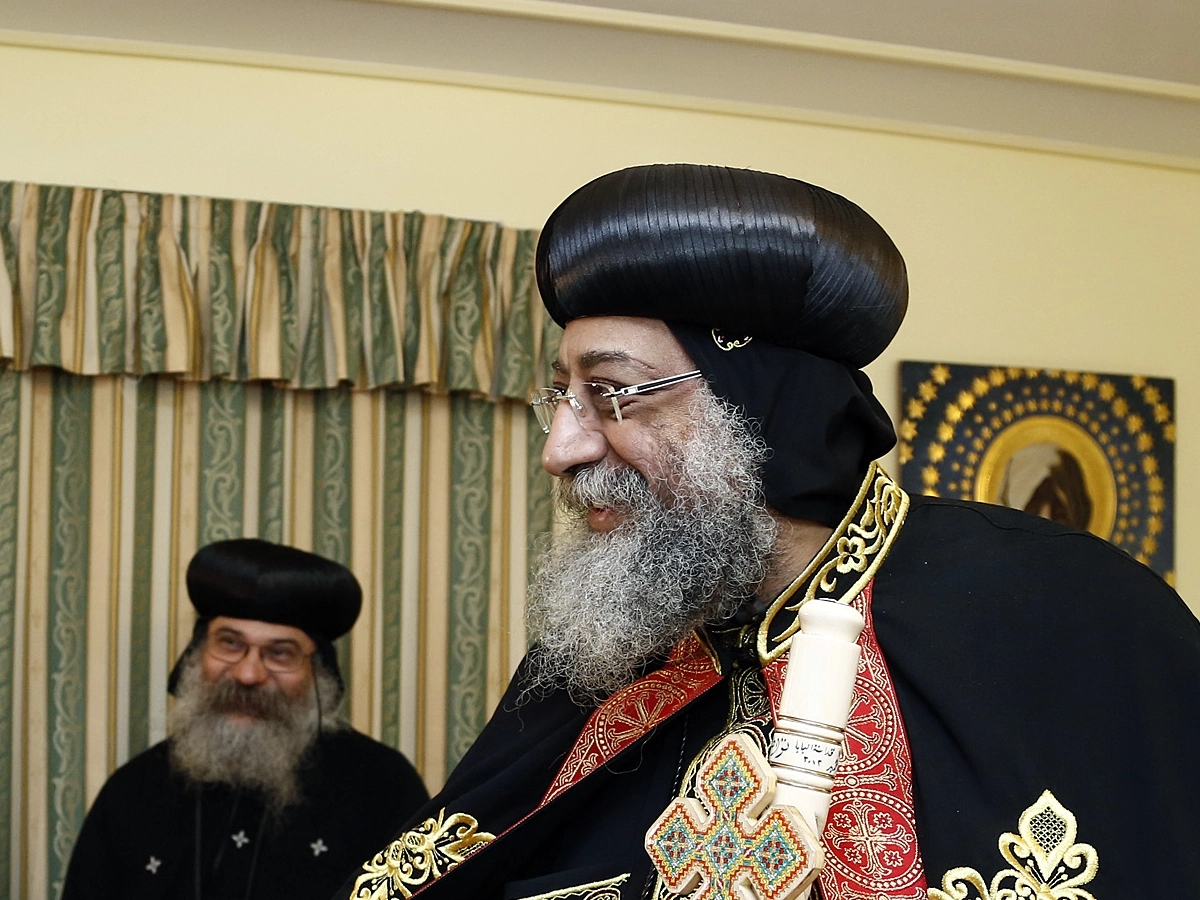
Copts suspend dialogue with Rome over same-sex blessings
— Mar. 12, 202412 mars 2024
The Coptic Orthodox Church halts its theological dialogue with the Roman Catholic Church because of Vatican’s publication of “Fiducia supplicans”
The Coptic Orthodox Patriarchate of Alexandria has made the momentous decision to suspend its two-decades-long doctrinal dialogue with the Roman Catholic Church after the Vatican recently approved blessings for same-sex couples, something Coptic officials have called a “heresy”.
The Holy Synod of the ancient, Egypt-based Church announced on March 7 that it had decided “to suspend the theological dialogue with the Catholic Church, re-evaluate the results that the dialogue has achieved since its beginning twenty years ago, and establish new standards and mechanisms for the dialogue to proceed.” The catalyst for the decision, however, was the Dicastery for the Doctrine of the Faith’s publication last December of Fiducia supplicans, the document on blessings for couples “in irregular situations” — including those of the same sex.
… Read more » … lire la suite »
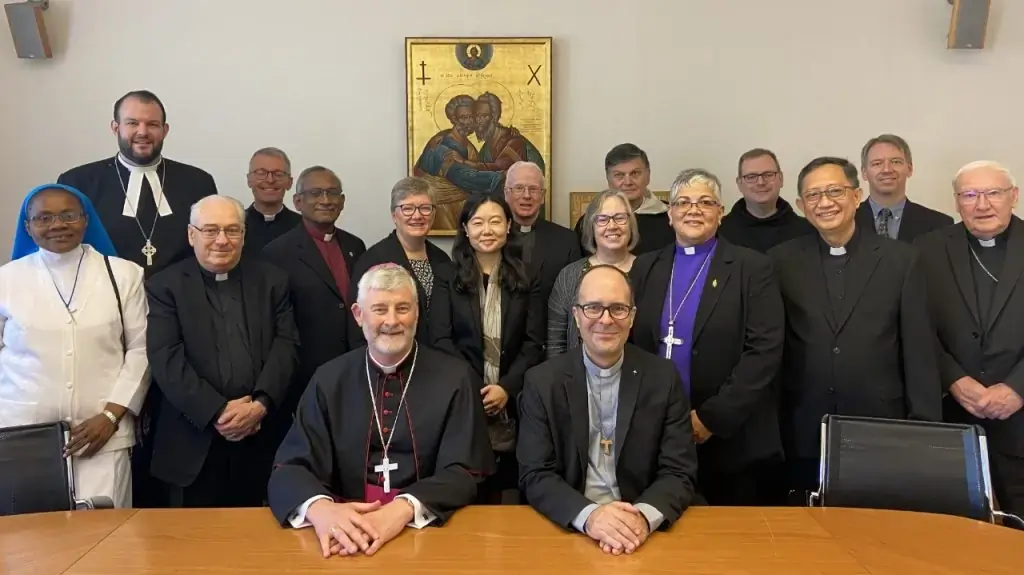
Methodists and Anglicans walking together with the Catholic Church in 2023
— Feb. 29, 202429 févr. 2024
Original English text. A translation was published in the Italian edition of L’Osservatore Romano, 23 January 2023.
Like many ecumenical partners, Methodists and Anglicans walked very closely with the Catholic Church throughout many significant events in 2023. This common journeying has taken various forms, including sympathy and prayerful solidarity on the occasion of the funeral of Pope Benedict XVI at the very beginning of the year, to participation in the Ordinary General Assembly of the Synod of Bishops in the later part of the year, with many other events and encounters in between.
… Read more » … lire la suite »