- Français
- |
- Booklist
- |
- Week of Prayer
- |
- Links
- Areopagus - a forum for dialogue
- Academic journals
- Acronyms
- Bible tools
- Bibliographies
- Booksellers and publishers
- Churches
- Canadian church headquarters
- Directory of Saskatchewan churches
- Retreat centres
- Saskatchewan church and non-profit agencies
- Ecumenism.net Denominational links
- Anabaptist & Mennonite
- Anglican
- Baptist
- Evangelical
- Independent episcopal
- Lutheran
- Methodist, Wesleyan, and Holiness
- Miscellaneous
- Mormon
- Orthodox (Eastern & Oriental)
- Para-church ministries
- Pentecostal / charismatic
- Presbyterian & Reformed
- Quaker (Society of Friends)
- Roman & Eastern Catholic
- United and uniting
- Documents of Ecumenical Interest
- Ecumenical agencies
- Ecumenical Booklist
- Ecumenical Dialogues
- Glossary
- Human rights
- Inter-religious links
- Justice & peace
- Lectionaries
- Religious news services
- Resource pages
- Search Ecumenism.Net
- |
- Documents
- Ancient & Medieval texts
- Ecumenical Dialogues
- Interreligious
- Anabaptist & Mennonite
- Anglican
- Evangelical
- Lutheran
- Orthodox
- Reformed & Presbyterian
- Roman & Eastern Catholic
- United & Uniting
- Miscellaneous churches
- Canadian Council of Churches (CCC)
- Conference of European Churches (CEC)
- Interchurch Families International Network (IFIN)
- National Council of Churches in Australia (NCCA)
- Lausanne Committee for World Evangelism (LCWE)
- World Council of Churches (WCC)
- Other ecumenical documents
Church traditions
Documents from ecumenical agencies
- |
- Dialogues
- Adventist-Reformed
- African Instituted Churches-Reformed
- Anglican-Lutheran
- Anglican-Orthodox
- Anglican-Reformed
- Anglican-Roman Catholic
- Anglican-United/Uniting
- Baptist-Reformed
- Disciples of Christ-Reformed
- Disciples of Christ-Roman Catholic
- Evangelical-Roman Catholic
- Lutheran-Mennonite
- Lutheran-Mennonite-Roman Catholic
- Lutheran-Reformed
- Lutheran-Roman Catholic
- Mennonite-Reformed
- Mennonite-Roman Catholic
- Methodist-Reformed
- Methodist-Roman Catholic
- Oriental Orthodox-Reformed
- Orthodox-Reformed
- Orthodox-Roman Catholic
- Pentecostal-Reformed
- Prague Consultations
- REC-WARC Consultations
- Roman Catholic-Lutheran-Reformed
- Roman Catholic-Reformed
- Roman Catholic-United Church of Canada
- |
- Quick links
- Canadian Centre for Ecumenism
- Canadian Council of Churches
- Ecumenical Shared Ministries
- Ecumenism in Canada
- Interchurch Families International Network
- International Anglican-Roman Catholic Commission for Unity and Mission
- Kairos: Canadian Ecumenical Justice Initiatives
- North American Academy of Ecumenists
- Prairie Centre for Ecumenism
- Réseau œcuménique justice et paix
- Week of Prayer for Christian Unity
- Women's Interchurch Council of Canada
- World Council of Churches
- |
- Archives
- |
- About us

A New Feast for a Fragmented Church | One Body


A New Feast for a Fragmented Church.
In a time often marked by ecclesial, cultural, and ecological fragmentation, a quiet but profound development is emerging among the churches. It doesn’t concern a doctrinal declaration or a new dialogue document, but something deceptively simple: a feast.
Three seminars held in Assisi, sponsored by the Laudato Si’ Research Institute at Campion Hall, Oxford, and the World Council of Churches, explored the possibility of a new liturgical feast dedicated to the Mystery of Creation in Christ. The proposal for this feast, rooted in ancient Christian tradition yet shaped by contemporary ecumenical collaboration, may prove to be one of the most remarkable developments in modern ecumenical history. This isn’t because it resolves theological differences, but because it does something arguably more powerful: it invites Christians to pray together, to celebrate together, and to rediscover together the mystery that grounds them all: the Creator revealed in Christ.
This article explores not simply the novelty of such a feast, but its deeper significance. How might it draw Christians closer to one another and to Christ? And how might it contribute to the long-sought goal of visible unity?
Read the rest of this article in the One Body blog on Salt+Light Media
An Ecumenical Kairos
The current initiative for a Feast of Creation in Christ has not arisen in a vacuum. It stands at the convergence of several streams in the life of the churches.
First, there is the growing awareness of the ecological crisis as a moral and spiritual challenge. Over recent decades, churches across traditions — Orthodox, Catholic, Protestant, Evangelical, and Pentecostal — have increasingly recognized care for creation as integral to Christian discipleship.
Second, there is the development of shared practices, especially the annual World Day of Prayer for Creation on September 1, rooted in the Orthodox liturgical calendar and embraced widely across other churches following its adoption by the Catholic Church in 2015.
Third, there is the maturation of ecumenical relationships since the Second Vatican Council. These relationships now allow for forms of collaboration that were unimaginable a century ago, including joint reflection on liturgy itself.
The convergence of these developments has been rightly described as an ecumenical kairos, a moment of grace and opportunity. It is a moment in which the churches find themselves not simply discussing unity, but practising it in shared discernment and worship.
Why a Feast Matters for Ecumenism
At first glance, the establishment of a new feast might seem a modest gesture compared to the major theological agreements achieved in ecumenical dialogues. Yet history suggests otherwise.
The early Church itself recognized that shared liturgical practice is a powerful instrument of unity. The decision of the Council of Nicaea in 325 to establish a common date for Easter was not merely administrative; it was profoundly ecclesial. It expressed the conviction that Christians should celebrate the central mystery of their faith together.
In the modern era, something similar has occurred through the development of common lectionaries, which have enabled different churches to hear the same Scriptures across the liturgical year. This has created what one scholar calls an “ecumenical resonance” even where full sacramental communion is not yet possible.
A Feast of Creation in Christ would represent a further step: not an accidental convergence, but an intentional, shared act of worship. It would be one of the first instances in which churches deliberately establish a feast with explicit ecumenical intent.
Thus, the significance of the feast lies not only in what it celebrates, but in how it comes into being, through a genuinely synodal and ecumenical process of listening, discernment, and collaboration across traditions.
Creation in Christ: The Theological Heart
If the feast is to have lasting ecumenical significance, it must also have a clear theological centre. That centre is Christ.
The Christian doctrine of creation is not simply about origins; it is about relationship: the relationship between God, the world, and humanity. The New Testament makes this explicit: “all things were created through him and for him” (Colossians 1:16).
In this light, creation is not a peripheral doctrine, but a dimension of the mystery of Christ himself. As the Assisi seminars that proposed the feast emphasized, the aim of the proposed feast is to celebrate not merely the created world (il creato), but the mystery of creation itself (la Creazione) — that is, God’s creative act revealed in Christ.
This distinction is crucial. Christians already share concern for the environment, but the feast calls them deeper: to rediscover creation as a theological mystery, inseparable from redemption.
Indeed, the early Church understood salvation as a “new creation.” The same Word through whom all things came into being is the one through whom all things are renewed.
Here we find a profound ecumenical resource. While churches differ on many doctrinal points, the confession of Christ as Word, Creator, and Redeemer is fundamental and shared. The Nicene Creed, whose anniversary provides part of the context for this initiative, already unites Christians in proclaiming faith in “one God… maker of heaven and earth… and one Lord Jesus Christ… through whom all things were made.”
A feast centred on this shared confession has the potential to deepen a unity that already exists at the level of faith, even if it is not yet fully visible.
A Pathway to Visible Unity
The ultimate goal of the ecumenical movement is not simply mutual understanding, but visible unity: a unity expressed in common faith, sacramental life, and mission.
How can a feast contribute to such a goal?
Shared Prayer as Common Ground
Liturgical prayer has always been one of the most accessible forms of unity. Even where Eucharistic sharing is not possible, Christians can pray together, read Scripture together, and join in common praise.
A Feast of Creation offers precisely such an opportunity. By gathering around the same mystery, on the same day, with similar texts and intentions, Christians enact a tangible — if partial — form of unity.
A Common Calendar
Unity is also lived through time. A shared liturgical calendar shapes the rhythm of Christian life and identity. Establishing a common feast, especially one rooted in a date already widely observed (September 1), strengthens this shared rhythm.
Convergence in Doctrine and Life
The classical axiom lex orandi, lex credendi (“the law of prayer is the law of belief”) suggests that what Christians pray shapes what they believe.
By celebrating creation as a central mystery of faith, the churches may gradually deepen their common theological understanding. This can foster convergence not only in doctrine, but also in ethical and pastoral practice, especially regarding care for creation.
A Visible Witness to the World
Finally, a shared feast offers a public sign. In a divided Christian landscape, a common celebration of creation in Christ would be a visible witness to unity, however incomplete.
In this sense, the feast is not merely inward-looking; it is missionary. It proclaims to a fragmented world that Christians, despite their divisions, can stand together in praise of the Creator.
Unity Through a Shared Crisis
It is no coincidence that this initiative emerged in response to the ecological crisis.
Crises often have a paradoxical effect: they reveal divisions, but they also create new forms of solidarity. The environmental crisis is one such moment. It confronts all humanity, and all Christian traditions, with a shared challenge. From the Pacific islands threatened by rising seas to communities facing drought and ecological degradation, the reality of creation’s fragility is no longer abstract.
In this context, the Feast of Creation can be seen as a liturgical response to a global crisis. It brings together prayer, theology, and action. It calls Christians not only to celebrate creation, but also to repent of its misuse and to renew their commitment to its care.
Importantly, this shared concern transcends confessional boundaries. It creates a space where Christians can act and pray together, even when other issues remain unresolved.
A Synodal and Ecumenical Process
Another striking feature of this initiative is the way it is unfolding.
The development of the feast is not being imposed from above by a single authority. Rather, it is emerging through a process of consultation involving theologians, liturgists, church leaders, and ecumenical bodies from across the Christian world.
This reflects a broader recovery of synodality, the idea that the Church discerns the will of the Spirit together. When this synodal approach is extended across confessional boundaries, it becomes a form of ecumenical synodality.
Such a process is itself a sign of unity. It demonstrates a willingness not only to talk together, but to walk together, to listen to one another, and to learn from one another. In this sense, the path toward the feast may be as important as the feast itself.
Challenges and Open Questions
Every ecumenical initiative has its challenges, and this one is no exception.
Questions remain about the precise form of the feast: its title, its liturgical texts, and its place within different calendars. There is also the need to ensure that the feast is not perceived as an optional addition, but as an authentic expression of the Church’s faith.
Moreover, differences in theology and liturgical practice cannot be ignored. The success of the initiative will depend on its ability to respect legitimate diversity while fostering genuine convergence.
Yet these challenges should not overshadow the deeper reality: for the first time, churches are considering together the possibility of a common feast explicitly oriented toward ecumenical unity.
Drawing Closer to Christ
Ultimately, the question of unity is inseparable from the question of Christ.
The Feast of Creation in Christ invites Christians to rediscover that all creation has its origin, meaning, and destiny in him. It reminds them that unity is not first a human achievement, but a gift rooted in participation in the life of Christ.
By turning together toward Christ as Creator and Redeemer, Christians are drawn closer not only to him, but also to one another.
In this sense, the feast is profoundly Christocentric. It does not add something new to the faith; rather, it makes visible what is already present: the unity of all things in Christ.
Conclusion: A Modest Proposal, a Great Promise
The proposal for a Feast of the Mystery of Creation in Christ may seem modest compared to the grand ambitions of the ecumenical movement. Yet it carries within it a remarkable promise.
It is a promise that unity can be lived, not only discussed.
A promise that shared prayer can prepare the way for deeper communion
A promise that, even in a divided Church, there are moments when Christians can stand together before God in praise and thanksgiving
In celebrating creation, Christians are reminded of their common origin.
In celebrating creation in Christ, they are reminded of their common destiny.
And in celebrating together, they may discover anew that the path to visible unity runs not only through dialogue and agreement, but through the simple, profound act of worshipping the same Lord, together.
Suggested Links for Readers
- Laudato Si’ (Pope Francis, 2015)
- World Day of Prayer for Creation (Papal messages)
- World Council of Churches: Season of Creation
- Faith and Order Commission: Baptism, Eucharist, and Ministry (Lima document, 1982)
- Faith and Order Commission: The Church: Towards a Common Vision (2013)
- Council of European Churches and Council of the Bishops’ Conferences of Europe: Charta Oecumenica (2001)
Fr. James Puglisi, SA, is a Franciscan Friar of the Atonement and Director emeritus of the Centro Pro Unione in Rome. An internationally recognized ecumenist, he has served for many years on several official dialogue teams of the Council for Christian Unity and is actively involved in initiatives promoting Christian unity and care for creation. He participated in the Assisi seminars on the proposed Feast of Creation and currently serves as member of the US steering committee for the Feast of Creation project.
 Posted: Aug. 6, 2026 •
  Permanent link: ecumenism.net/?p=15026
Categories: One Body, Opinion • In this article: creation, lectionary, spiritual ecumenism
Transmis : 6 aoüt 2026 • Lien permanente : ecumenism.net/?p=15026
Catégorie : One Body, Opinion • Dans cet article : creation, lectionary, spiritual ecumenism
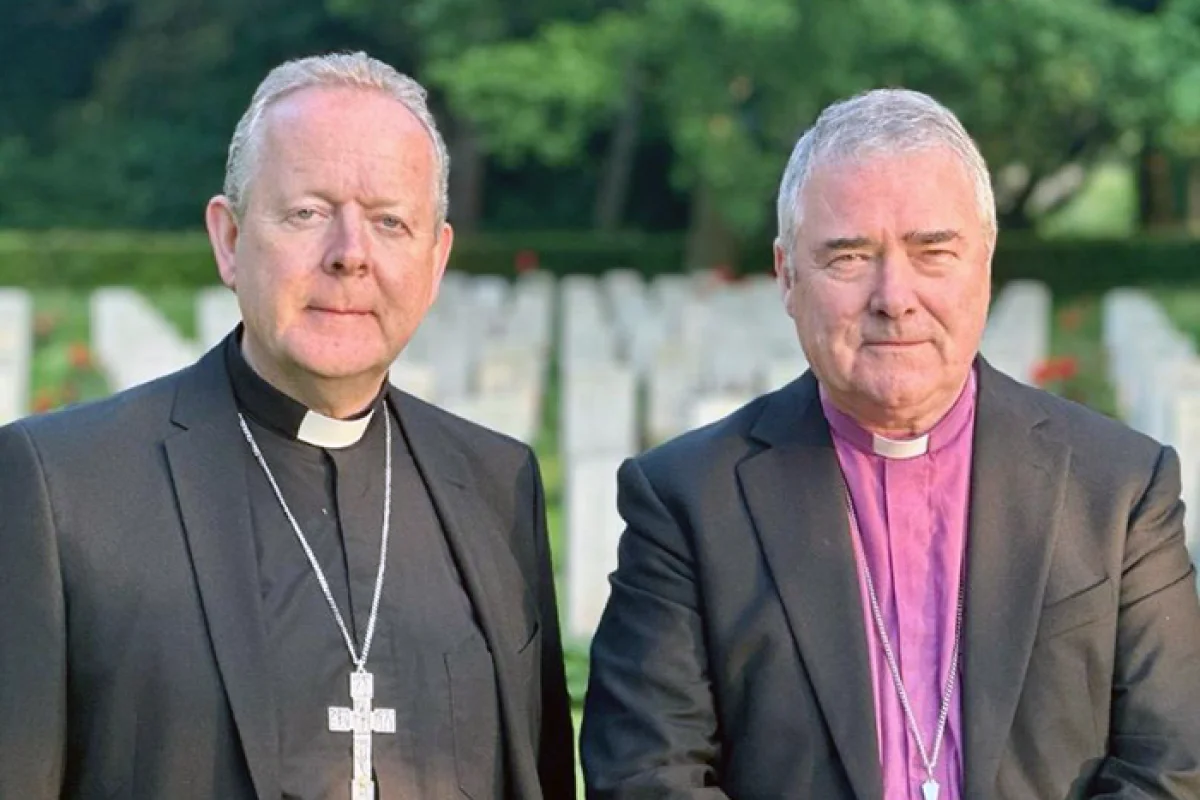
Statement of Archbishops of Armagh on placement of a replica mosque atop bonfire
— July 9, 20269 juil. 2026
Jesus tells the story of the Good Samaritan to teach his disciples that they have a duty to those who differ from them in terms of religious belief and cultural tradition. Jesus teaches that people who differ from us are not simply to be tolerated; they are to be respected, cared for and loved.
The targeting of the Muslim community through crude symbols and threats of violence by sinister forces undermines these Gospel principles of respect and compassion as well as freedom of religion which is a fundamental principle of a democratic society.
The placement of a replica mosque atop a bonfire is grossly offensive and raises tensions so soon after the unrest that destroyed property and severely impacted the lives of individuals and families. Christians of all traditions would be aghast at the wanton destruction of Christian imagery. Likewise, we should be appalled at the provocative denigration of symbols associated with faiths that are sincerely held by others.
… Read more » … lire la suite »

Ecumenical Schadenfreude | One Body
— July 2, 20262 juil. 2026
Have you ever watched a movie where the bad guys win in the end? Most of us experience a sort of moral dissonance that writers use to draw us into the plot and make us emotionally invested. In a positive way, our moral formation reinforces our own good behaviour and the avoidance of social taboos. But negatively, our moral imagination can sometimes lead us to self-righteousness and a desire to punish those we perceive as wrong-doers. “Schadenfreude” is a loanword from German, literally meaning “harm-joy.” It refers to the feeling of joy, pleasure, or self-satisfaction that comes from witnessing or learning about another person’s misfortunes, failures, or suffering. Though it might seem mean-spirited, it is a very common human emotion stemming from a sense of competition and cosmic justice, but it is not a virtue.
In the past few years, I have encountered something that I call “ecumenical schadenfreude.” As other churches have struggled, I see people wishing them ill or suggesting that we might take advantage of an opportunity. It doesn’t seem like a healthy or virtuous attitude (see Proverbs 24:17-18; 1 Corinthians 13:6; Obadiah 1:12).
… Read more » … lire la suite »
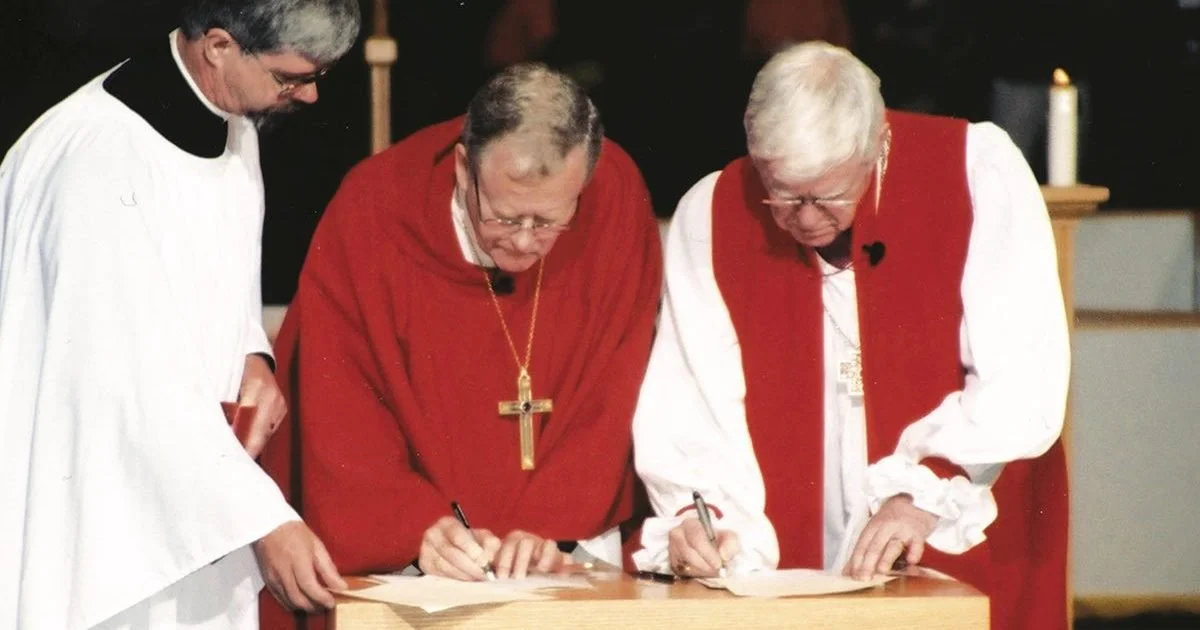
From Generation to Generation: 25 Years in Full Communion
— June 29, 202629 juin 2026
“We are ready to be co-workers with God in whatever tasks of mission serve the Gospel. We give glory to God for the gift of unity already ours in Christ, and we pray for the fuller realization of this gift in the entire Church.”
With these concluding words of the Waterloo Declaration, read aloud on July 6, 2001, Lutherans and Anglicans in Canada committed themselves to a shared future in full communion. They chose to treat differences in areas such as church order, faith expression and liturgical style as gifts that can strengthen unity. They chose partnership, mutual responsibility and a reconciled future over inherited division. Through common discernment, joint witness, shared ministry and so much more, we have learned again and again that unity in Christ is not merely an institutional arrangement, but a gift of grace that strengthens the Church for joining God’s mission in the world.
… Read more » … lire la suite »
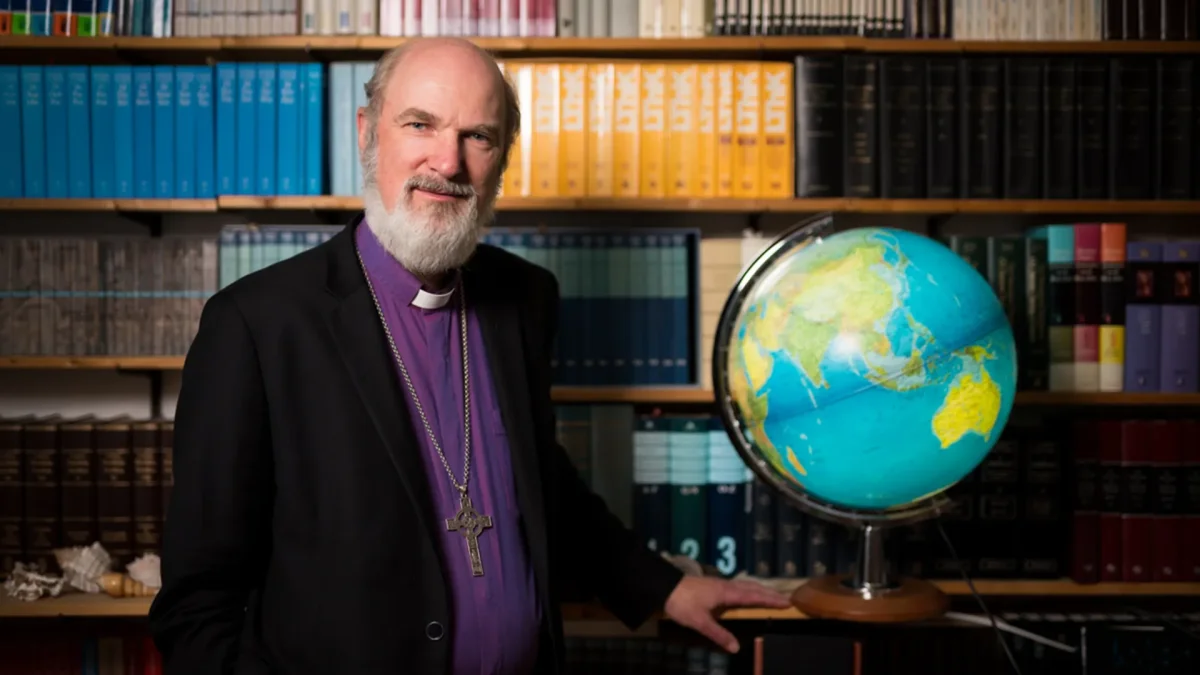
The German Theologian Bringing Protestants and Catholics Together
— June 25, 202625 juin 2026
Eleven American Pentecostal pastors sat nervously with Pope Francis at the Vatican in June 2016. The meeting, arranged by Thomas Schirrmacher, then chair of the theological commission of the World Evangelical Alliance (WEA), was an opportunity for the guests to ask the pontiff anything they wanted. Two years earlier, Francis had publicly apologized for past Catholic persecution of the charismatic movement.
At the time, the Italian Evangelical Alliance had cautioned against growing ecumenical openness where “insurmountable” doctrinal obstacles exist. The American delegation was similarly opposed to Schirrmacher’s engagement but had agreed to the meeting. No one wanted to ask the first question. Amid the awkwardness, Francis took the initiative.
He asked the delegation to pray for him.
… Read more » … lire la suite »
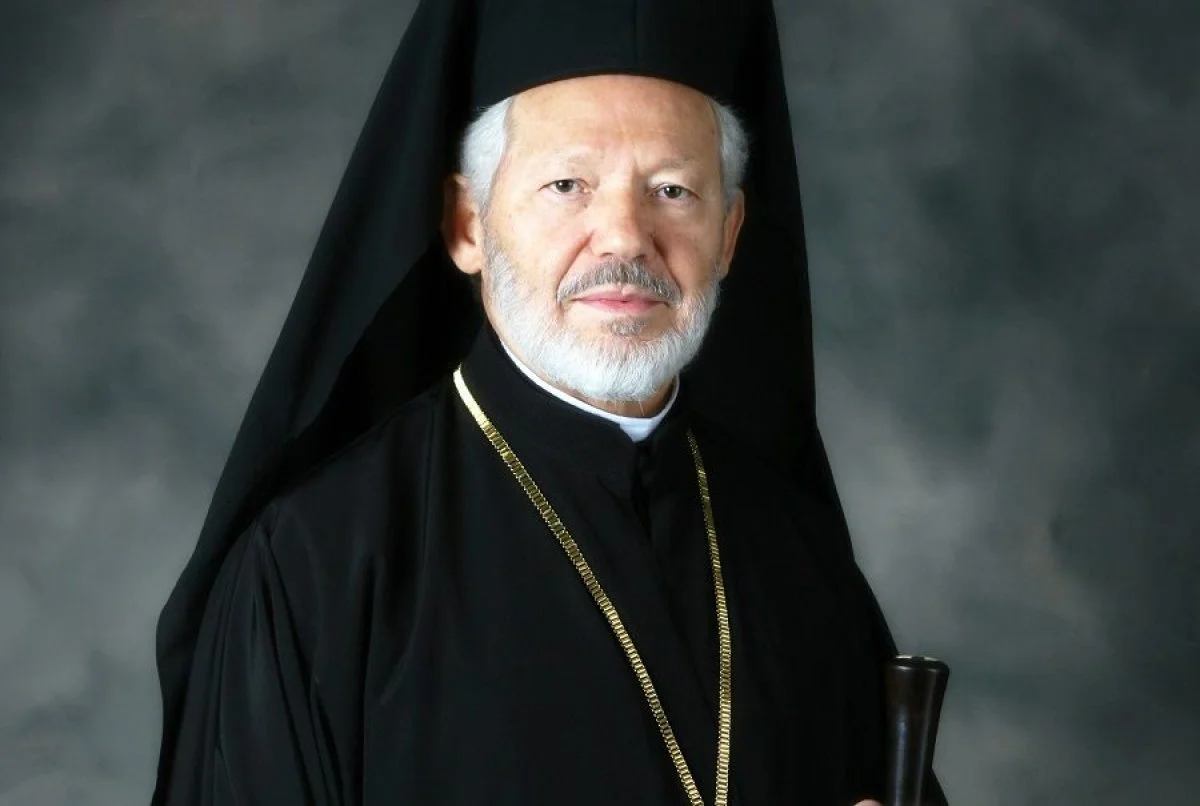
Archbishop Sotirios of Canada to Resign After 52 Years of Episcopal Ministry
— June 24, 202624 juin 2026
Archbishop Sotirios of Canada is resigning in early July, after 52 years of episcopal ministry in Canada. The information of The National Herald was confirmed by the Archbishop himself while he was in Vancouver, Canada, on a pastoral visit, saying: “Your information is true. I am planning on going to the Ecumenical Patriarchate of Constantinople on the first Saturday of July, where I will discuss it with the Patriarch, and afterwards I will make statements.”
Archbishop Sotirios Athanassoulas recently celebrated his 90th birthday at a major event organized by the Greek diaspora in Canada, about which The National Herald had written in detail.
… Read more » … lire la suite »
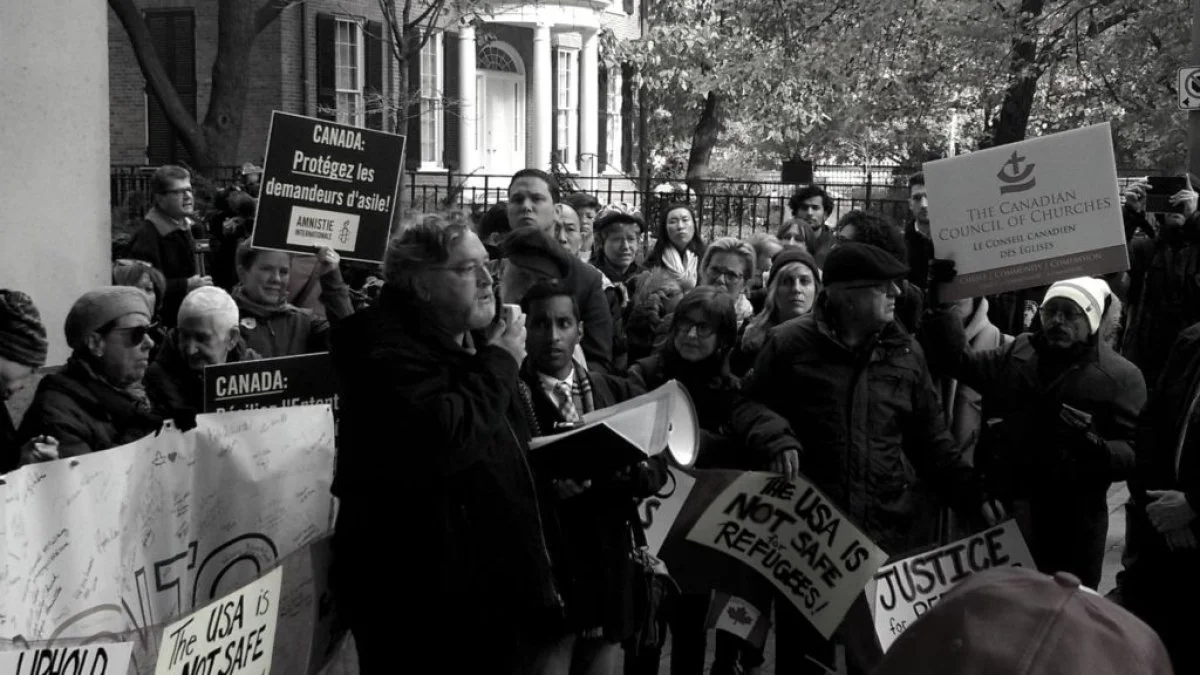
Groups launch constitutional challenge of Safe Third Country Agreement
— June 17, 202617 juin 2026
Amnesty International Canada and the Canadian Council for Refugees have filed a new Federal Court challenge to the constitutionality of the Safe Third Country Agreement with the U.S. that says refugees must claim asylum in whichever country they arrive in first.
In 2023 the Supreme Court of Canada ruled refugees can avoid being sent back to the U.S. if they face unnecessary detention or the risk of deportation to a country where their rights and lives would be threatened.
These considerations are referred to as “safety valves” by people working in the migrant rights sector.
… Read more » … lire la suite »
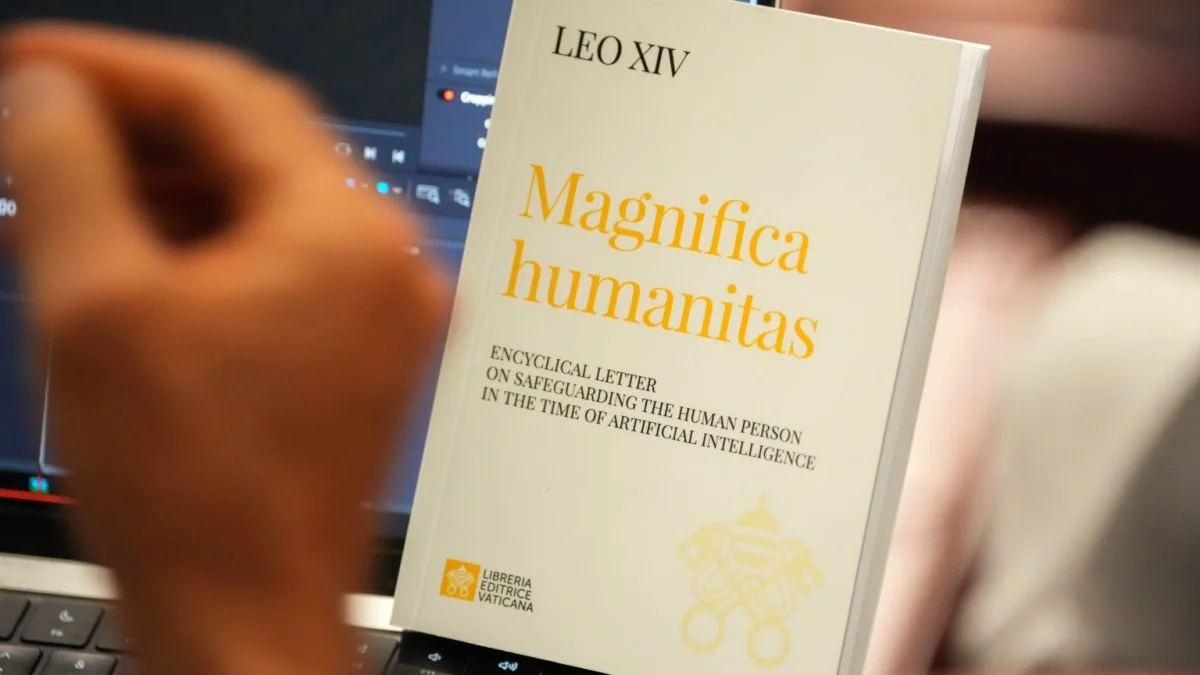
Anglicans respond to ‘Magnifica Humanitas’, the new encyclical by Pope Leo XIV
— June 12, 202612 juin 2026
The Holy See has released the first papal encyclical by Pope Leo XIV, titled ‘Magnifica Humanitas: On Safeguarding the Human Person in the Time of Artificial Intelligence’, which invites reflection on the ethical implications of Artificial Intelligence (AI) on war, relationships and the battle between good and evil. The Pope signed the encyclical on May 15, the 135th anniversary of the release of Pope Leo XIII’s encyclical ‘Rerum Novarum’. The encyclical was then released to the public on May 25.
In this article, Anglican News features some Anglican responses to this important encyclical and their perspectives on the expanding role of AI.
… Read more » … lire la suite »
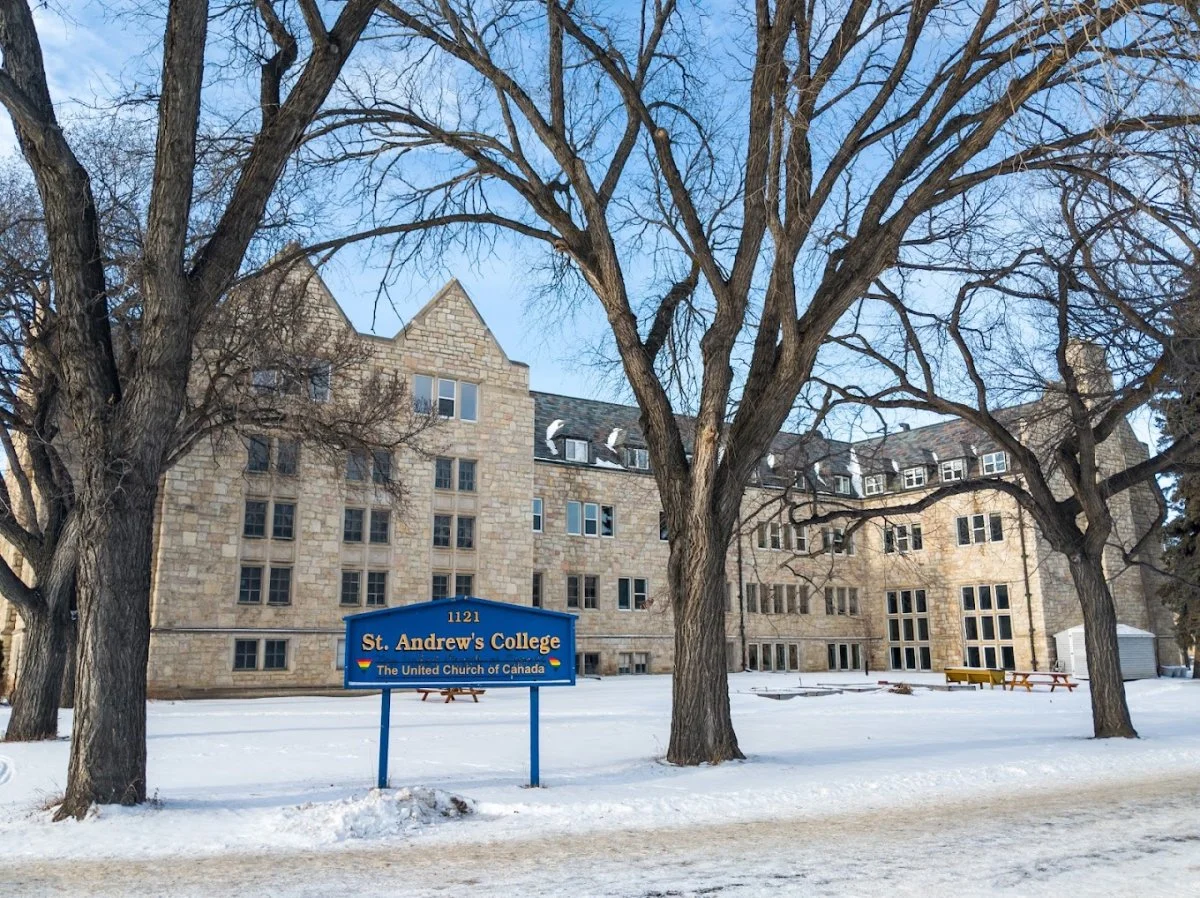
Lutheran Theological Seminary and St. Andrew’s College Announce a New Chapter in Shared Ministry and Theological Education
— June 10, 202610 juin 2026
The Boards of St. Andrew’s College (SAC) and Lutheran Theological Seminary (LTS) have affirmed their intention to move forward together into a new model of theological education and shared ministry.
This decision reflects years of collaboration, conversation, and discernment between the two institutions. As each school continues to be deeply rooted in their own denominational tradition, both share a longstanding commitment to theological education, leadership formation, academic excellence, and service to church and wider society.
The vision emerging from this work is grounded in the belief that theological education is strengthened when institutions work together in pursuit of a common mission. By building on existing relationships and shared ministries, LTS and SAC seek to create a vibrant and sustainable future for theological education across western and northern Canada.
… Read more » … lire la suite »
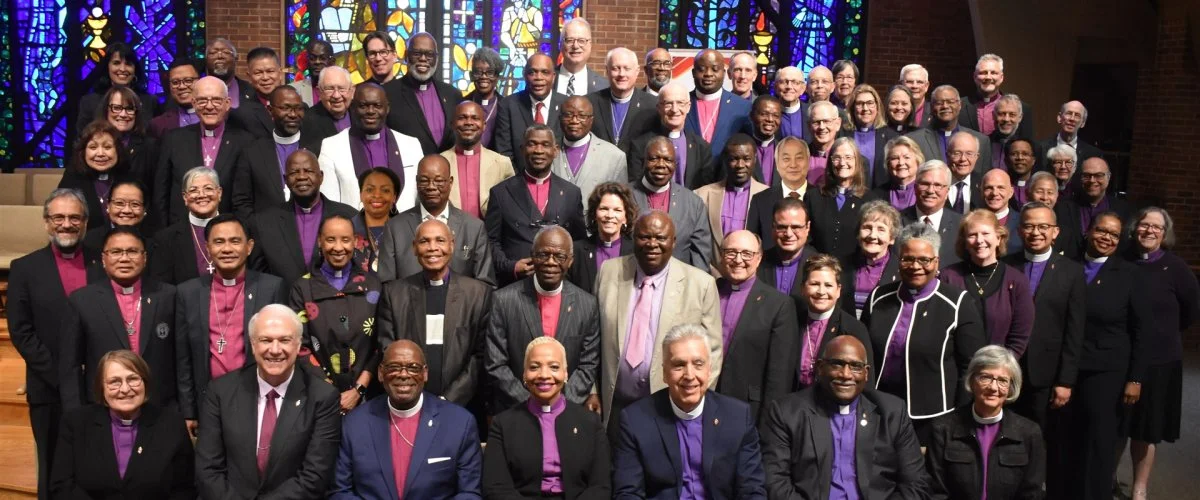
United Methodists bolster ties in Canada
— June 8, 20268 juin 2026
Two denominations with historic ties to John Wesley are strengthening their ties with each other.
Driving the move, in part, is the increasing migration of United Methodists from around the globe to Canada.
The United Methodist Council of Bishops and leaders of the United Church of Canada, at separate meetings this spring, each approved an interim covenant that mutually affirms both denominations’ clergy and opens the door to greater cooperation across national borders.
The covenant also declares the leaders’ intention to propose a formal relationship between the two denominations to their top policymaking bodies — the United Methodist General Conference and the Canadian church’s General Council. Both assemblies are next set to meet in 2028.
… Read more » … lire la suite »
Friendship in the Ecumenical Movement | One Body
— June 6, 20266 juin 2026
Just as I was sitting down to write this article, the Vatican News Service reported that Pope Leo XIV had shared a phone call and sent a letter to his apostolic brother, Pope Tawadros II of Alexandria, marking the annual Day of Friendship between the Coptic Church and the Catholic Church.
… Read more » … lire la suite »